

09 Apr Corporate Event Ideas London 2026: Unique Experiences
You have 180 guests due on site in west London at 6pm. The brief says summer drinks, informal networking, short speeches, strong branding, and a wet-weather backup that does not feel like a compromise. By 10am, the usual venue problems have already shown up in the shortlist. Ceiling heights are wrong for staging. Access is tight for catering. Breakout space is an afterthought. The room hire looks simple until every extra starts stacking up.
That is often the point where a marquee becomes the practical option, not the decorative one. It gives planners control over layout, arrival flow, branding, catering position, technical production, and weather cover from the start. In London, that flexibility matters because corporate events often need to do several jobs at once. Entertain clients, brief teams, reward staff, and still run to a schedule.
A good marquee event also solves a problem fixed venues rarely solve well. It lets you build the event around the guest experience instead of squeezing the guest experience into a pre-set room. That can mean a launch space with product demo zones, a gala layout with a separate reception area, or a wellness day with covered activity stations and dry flooring after a week of rain.
This guide focuses on marquee-based corporate event ideas in London. Each one is treated as a working format, not just inspiration. The focus is on what the idea suits, how many guests it can handle, what season gives you the best chance of success, and which practical add-ons make the day easier to run. If you are weighing outdoor options for a reception-style format, this guide to garden party marquee hire for London events is a useful starting point.
If you are also reviewing activities and entertainment formats, 9 Corporate Event Entertainment Ideas for 2025 is a useful companion read.
1. Summer Garden Party & Networking Events
A July client reception in London can look simple on paper. Guests arrive for drinks, a few introductions, and some light food. This format succeeds or fails on flow. If people queue for ten minutes at the bar, cannot hear each other, or end up stranded at the edge of the marquee, the event stops feeling relaxed very quickly.
Summer garden parties work well for client entertaining, partner evenings, staff socials, and softer business development. The appeal is obvious. Guests are outside, the setting feels less rigid than a hotel ballroom, and conversation starts more easily. The trade-off is that a casual atmosphere still needs a disciplined layout.
For this format, I would typically build the marquee around three working zones:
- Arrival space: A clear entrance, welcome drinks, light branding, and registration if the guest list needs control.
- Conversation space: Poseur tables, lounge seating, and enough circulation room for guests to move without interrupting clusters already talking.
- Service space: Bar, catering prep, and collection points placed far enough from the entrance to prevent a bottleneck.
That zoning matters more than styling. Good flowers and furniture help, but they do not fix a poor floorplan.
Early planning also matters. Summer dates in London are competitive, and access can be awkward at private grounds, terraces, and managed estates. If the site has narrow vehicle access, restricted set-up hours, or noise limits after a certain time, those decisions need dealing with before the guest list grows. A practical starting point is to review garden party marquee hire for London events while you are still shaping the layout, not after you have committed to catering numbers.
A few details make a noticeable difference here. Flooring is often worth the cost, even in dry weather, because heels, service trolleys, and uneven lawns slow everything down. A second bar point can be more useful than extra décor once numbers climb. Lighting should shift the mood after sunset without pushing the event into party territory unless that is the brief.
Keep music low during the first hour. Networking events fall flat when guests have to shout through every introduction.
A common and effective version is a professional services firm hosting a summer thank-you event for clients on a private lawn in Surrey or South London. Adding a bar, canapés, soft seating, and evening lighting creates something that feels generous without becoming too formal.
2. Product Launch & Exhibition Events
A launch day in London usually starts with pressure on two fronts. The product needs a clean, memorable reveal, and the guest journey has to work for press, clients, investors, and staff at the same time. A marquee gives you control over both, provided the structure is planned around the programme rather than hired as a blank shell and filled later.
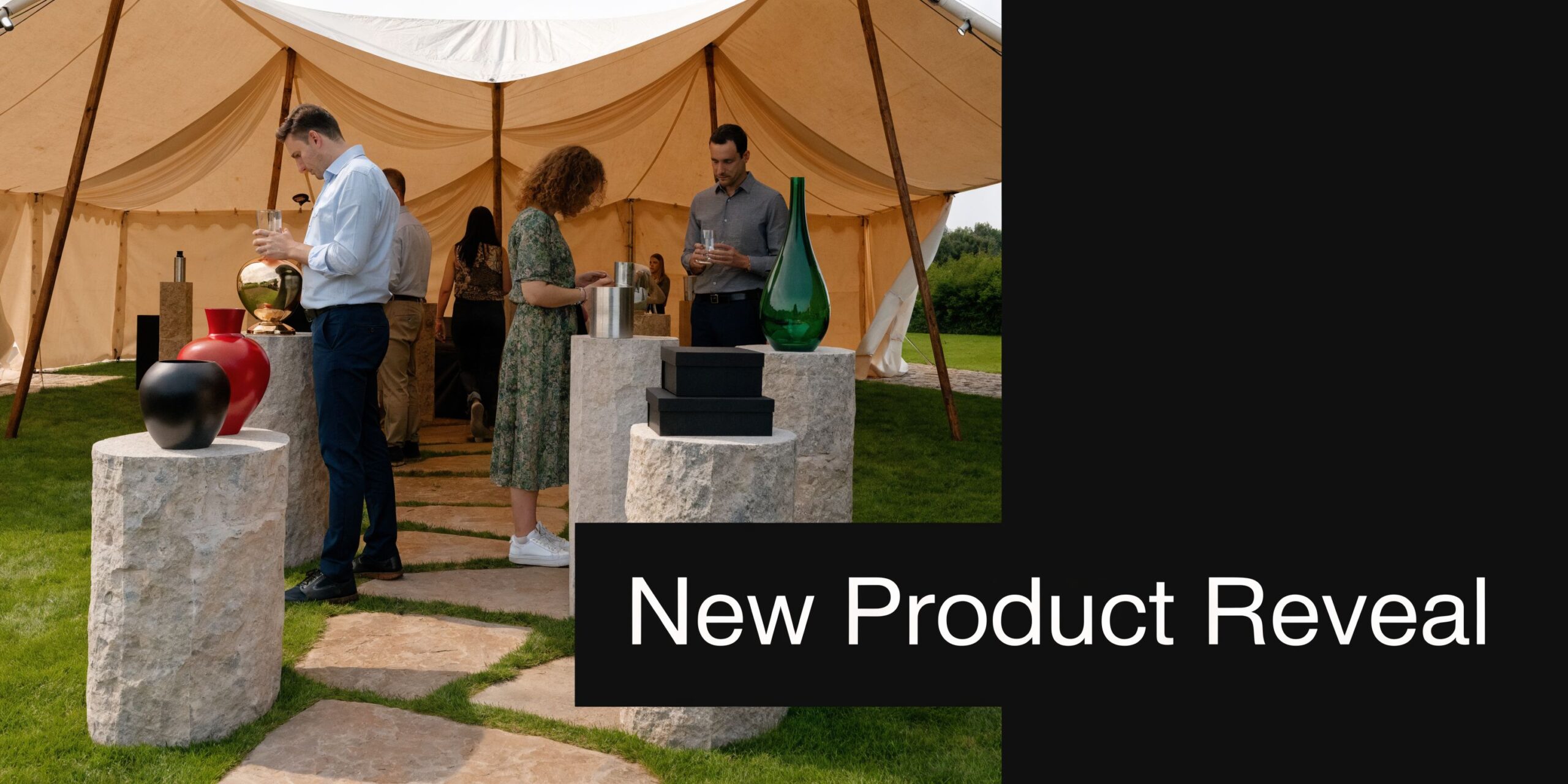
For this format, sightlines come first. Guests should be able to understand the space within seconds. Where is the hero moment? Where do they queue for demos? Where can a journalist get five quiet minutes with the product lead? If those answers are not obvious, the launch starts to feel crowded and unfocused, even in a large marquee.
The most effective layouts separate the event into working zones with enough distance between them to stop sound and footfall from clashing. A reveal area needs controlled lighting and a clean backdrop. Demo stations need power, reliable Wi-Fi, and room for small groups to gather without blocking circulation. Hospitality works best at the edge of the structure, not beside the keynote space, because glassware noise and service traffic can undermine presentations.
I usually advise clients to plan capacity by behaviour, not just by headcount. A 150-guest drinks launch with light product interaction can sit comfortably in a different footprint from a 150-guest exhibition-style event where everyone needs hands-on time at branded stations. That trade-off affects marquee width, aisle space, staffing levels, and whether you need a separate annex for storage, prep, or private meetings. Practical guidance on marquee hire for corporate events in London is useful at this stage, before branding, catering, and AV specifications are locked in.
Season matters here more than clients expect. Spring and autumn launches often need solid flooring, heating, and covered linkways between the entrance, cloakroom, and main structure. Summer events bring different pressures. Solar gain, screen visibility, chilled storage, and guest comfort under afternoon sun all need addressing early. Winter can still work for a reveal, but only if power, insulation, and arrival experience are treated as part of the design rather than late add-ons.
Technical planning determines whether the event feels polished. LED walls, moving lights, charging points, refrigeration, live demos, and streaming all add load, and London sites do not always have the supply you want on paper. If mains power is limited, bring in a generator early and plot cable runs before flooring and walling go down. The same applies to internet. A weak venue connection is manageable if you build around it. It becomes expensive if discovered during rehearsal.
A good visual walkthrough helps if you are still shaping the brief:
A strong London example is a software or tech firm using a marquee in a private courtyard, riverside space, or estate setting for a platform launch. The structure can hold a keynote stage, hands-on demo pods, a press corner, and a hospitality lounge under one roof, while still keeping the product reveal as the focal point. This is a key advantage of a marquee launch. It gives the event a controlled environment without the flat feel of a standard exhibition hall.
3. Corporate Team Building & Wellness Events
At 10:30 on a London staff day, the pattern is usually clear. One group wants to get stuck into the activity, another is already looking for shade, and someone is asking where the bags, coffees, and spare waterproofs are meant to go. A marquee solves those practical problems first, which is why these events run better when the structure is treated as the base of operations rather than a wet-weather backup.
Why this format suits mixed teams
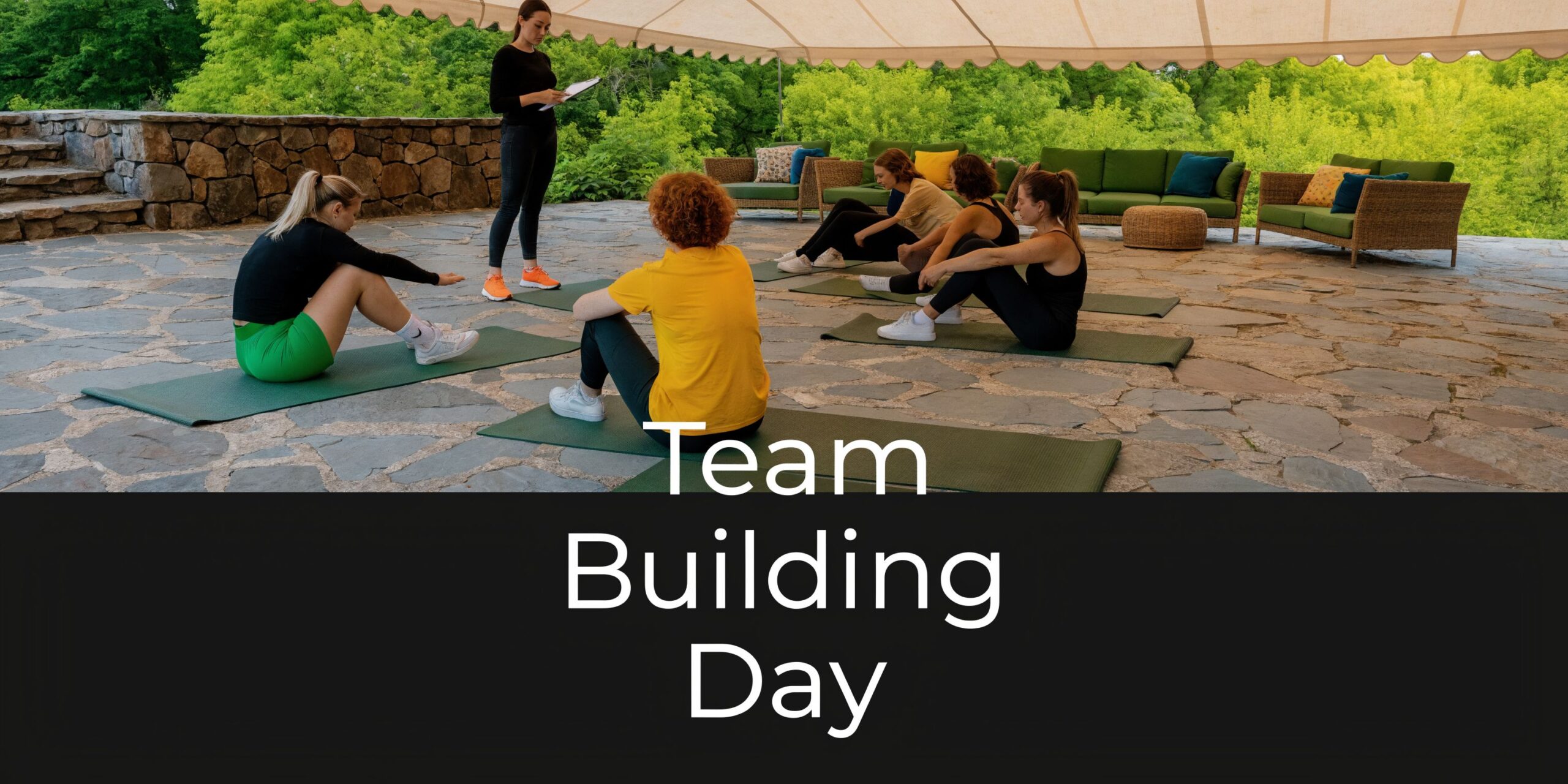
Team building and wellness programmes work best when the brief is broad participation, not forced enthusiasm. This means creating a day with different energy levels and clear zones. A marquee can hold registration, secure bag storage, refreshments, quiet seating, first aid, and a covered briefing space, while the surrounding grounds handle the active sessions. That split matters more in London than many clients expect, because urban and estate sites often have limited indoor fallback space and strict access windows.
The strongest format usually combines movement, recovery, and interaction. A morning mobility or yoga session works well for mixed fitness levels. Small-group challenges can follow once people have settled, then lunch, informal conversation, and a short hosted session under cover. If every activity asks guests to perform in front of colleagues, participation drops. If the day includes both active and low-pressure elements, more people stay engaged.
Capacity planning should happen early. A wellness-led event for 40 to 80 guests can sit comfortably in a single marquee with outdoor activity stations nearby. Once guest numbers move beyond that, I would usually separate the event into functional zones, such as a main marquee for catering and talks, a second structure for workshops or treatment space, and open-air areas for challenges. That layout prevents queues at lunch, reduces noise spill, and gives people somewhere to reset between sessions.
Season matters here as much as format. Spring and early autumn are easier than peak summer, because guests are more comfortable being active and suppliers are under less pressure. Mid-summer can still work, but only with shade, chilled water points, and a realistic plan for heat build-up inside the structure. Cooler months need heating, matting or solid flooring at entrances, and a stronger arrival sequence so the event feels intentional from the start. Good marquee lighting design for evening sessions and covered wellness spaces becomes more important if the schedule runs into late afternoon.
For companies planning off-site staff days, marquee hire for corporate events gives a more flexible base than trying to bolt activities onto a fixed indoor venue.
The add-ons are what make the day feel easy. Covered catering prep, power for PA and background music, water refill stations, accessible toilets, cloakroom space, and a quiet corner for anyone who needs a break should be in the first draft of the plan, not added after the activity schedule is signed off.
A practical London setup might be an HR-led culture day for a finance team. Start with guided stretching and breathwork on the lawn, move into table-based problem solving under the marquee, then finish with lunch, informal networking, and a short leadership talk before teams head back to the office. It is simple, but it succeeds because the logistics support the agenda instead of competing with it.
4. Award Ceremonies & Gala Dinners
Guests arrive in black tie, the drinks reception is running to time, and the first award is due in 40 minutes. That is when weak flooring, poor sightlines, and a cramped bar layout get exposed fast. A marquee gala in London can feel far more impressive than a standard ballroom, but it needs to be planned like a full evening production, not a dressed-up dinner under canvas.
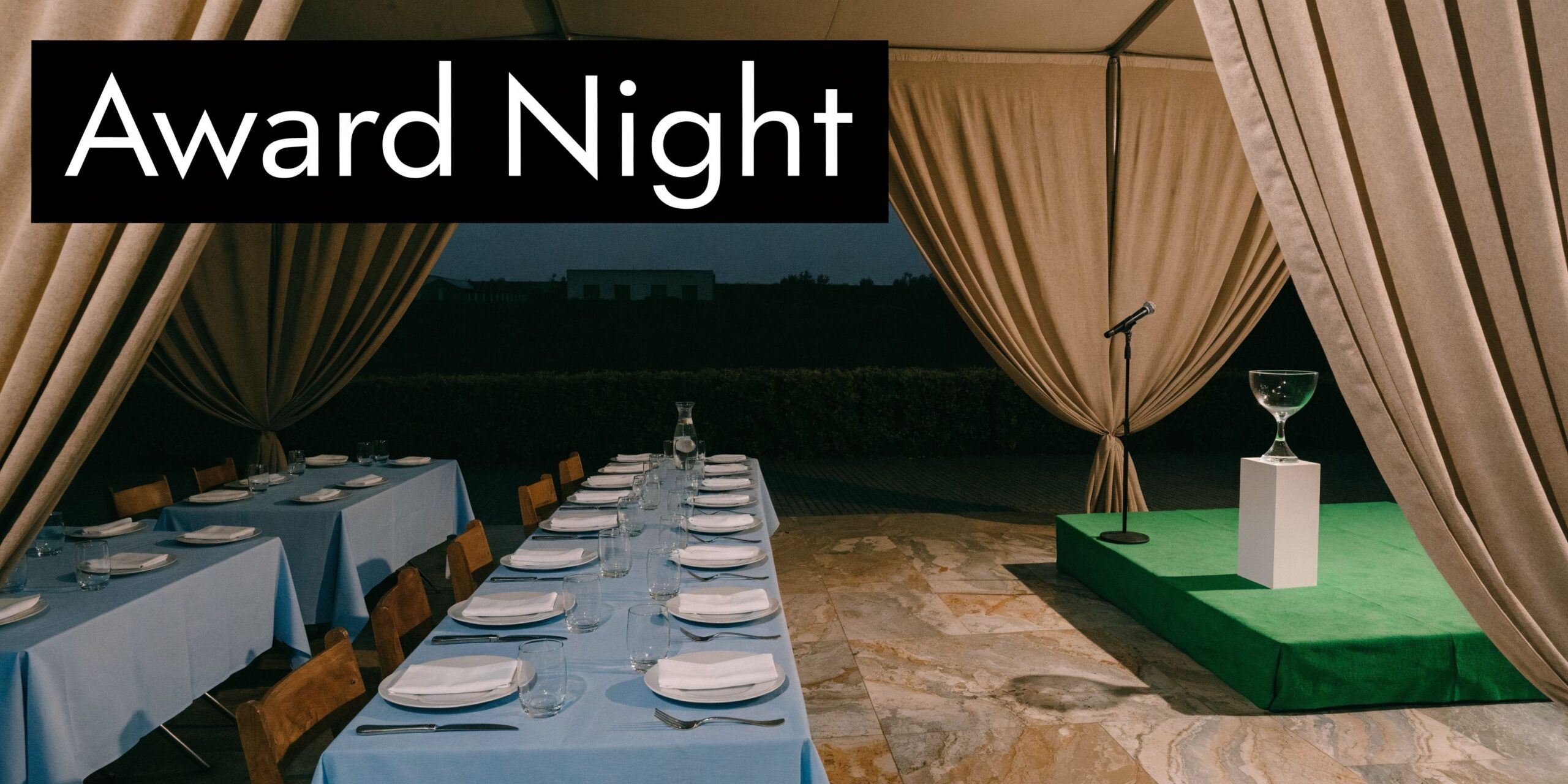
Award ceremonies work particularly well in marquees because the organiser controls the whole journey. Arrival can start with a carpeted entrance, branded welcome wall, and covered reception space. Dinner can sit in a separate clearspan structure or a divided interior with drape lines. The ceremony itself needs a stage that every table can see without guests twisting in their chairs all night.
Capacity planning matters more than many teams expect. A dinner for 120 can feel generous with round tables, a central stage, and space for service. Push that same footprint to 180 and the room often starts to lose its polish. London clients often get the best result by deciding early whether the priority is maximum covers or a more premium feel, because table density affects everything from fire exits to how smoothly awards presenters reach the stage.
Season makes a real difference. From late spring to early autumn, a marquee gala can use outdoor terraces, a reception lawn, or a separate cigar and conversation area without breaking the flow of the evening. In colder months, the structure needs proper heating, solid flooring, and managed entrances so guests do not spend the first half hour queueing in coats. Winter galas can look excellent, but they need a tighter technical plan and a bigger allowance for power and weather protection.
Lighting shapes the whole atmosphere. During dinner, the room needs warmth and enough visibility for service. During the awards, attention has to move cleanly to the stage and lectern. Afterwards, the room should transition into a bar and social setting without feeling flat. Good lighting for marquees at formal evening events should be specified alongside layout and staging, because cable runs, rigging points, and ceiling treatment all affect the final result.
The best layouts also protect the guest experience from operational noise. Catering access should sit away from the main reveal. Toilets should be easy to reach without cutting across the stage sightline. Bars need enough frontage to clear interval demand quickly. If sponsors are involved, branded conference booths displays can work well in the reception area, but they need to feel curated rather than dropped into a gala environment.
A practical London example is a company awards night for 200 guests on private grounds or within the estate of a city venue. Use one marquee for reception and after-dinner drinks, one for the main dinner and stage programme, and a hidden back-of-house run for catering, power, and staff movement. Add cloakroom space, a proper green room for presenters, and acoustic treatment if speeches matter.
The usual failure points are predictable. Guests get cold near the perimeter. The stage is too low. The bar interrupts the awards. Service routes cross in front of tables. None of that is hard to avoid if the marquee is treated as a purpose-built venue from the first draft of the plan.
5. Conference & Outdoor Learning Sessions
A London conference marquee can work well when the day needs fresh air, flexible space, and a setting that does not feel like another hotel meeting room. It also asks for more planning discipline than many organisers expect. The structure is the shell. The event still needs venue-grade power, heating or cooling, acoustics, Wi-Fi, registration flow, and enough separation between learning spaces to keep the agenda usable.
This format suits leadership summits, training days, partner forums, client education events, and company conferences where the programme matters as much as the setting. It is particularly effective for teams who want formal content without trapping guests in one room for eight hours.
The trade-off is straightforward. A marquee gives you control over layout, branding, and pacing. A fixed venue often gives you easier infrastructure. In London, that decision often comes down to site access, noise, and how many session formats you need to run at once.
Before confirming the site, check three things early.
- Power and distribution: Screens, PA, catering, lighting, charging points, and streaming kit all need planned load capacity rather than a rough estimate.
- Connectivity: If the site signal is weak, budget for a temporary internet solution instead of hoping mobile hotspots will carry registration, presentations, and guest traffic.
- Acoustic separation: Breakout sessions need proper spacing, solid partitions, or linked structures. Open-plan seminar zones look efficient on a plan and fail when three speakers start at the same time.
For brands exhibiting alongside the conference, conference booths displays can help organise the sponsor and partner area without turning the whole event into a trade show.
A practical London setup might include a main clearspan marquee for keynote sessions and plenary content, two smaller annexes for workshops, a covered registration entrance, and a separate catering zone so coffee service does not bleed into the first speaker's audio. For 150 to 300 guests, that layout usually gives enough flexibility without the site starting to feel fragmented. In spring and autumn, add matting or hard flooring at every transition point because wet grass slows arrivals and creates housekeeping problems all day.
The common mistakes are predictable. Schedules run late because delegates queue at one registration desk. Workshop zones are too close together. Afternoon glare hits the screen. The heating spec is set for the average temperature rather than the cold morning start. Handle those points early and an outdoor learning event in London feels purposeful, calm, and more appropriate than a standard conference suite.
6. Client Entertainment & VIP Hospitality Events
A London client event succeeds or fails in the first ten minutes. Guests step out of cars, hand over coats, take a drink, and decide very quickly whether the evening feels polished or awkward. In a marquee, those early touchpoints are fully in your control, which is exactly why this format works so well for hospitality.
Client entertainment asks for a different planning mindset from a conference or staff party. The goal is not volume. It is comfort, privacy, and the right amount of hosting. That often means smaller numbers, a stronger arrival sequence, and a layout that makes conversation easy rather than forcing guests into a fixed programme.
Why a marquee suits VIP hosting
A marquee gives you something fixed venues rarely do in London. Exclusivity without compromise. You control access, branding, lighting levels, music, security, and service flow, and you are not competing with another function down the corridor.
This format works particularly well for investment firms, developers, law firms, recruiters, and luxury brands hosting carefully selected groups. A practical setup might include a covered entrance, staffed cloakroom, calm reception space, lounge seating, and a dining or tasting area with enough separation that service feels attentive rather than intrusive.
Capacity needs careful judgement. For 40 to 120 guests, a hospitality marquee can feel generous and private if the plan gives people space to circulate. Push too many guests into a VIP format and the event starts to lose the discretion clients were invited for in the first place.
A strong London example is a private investor or partner evening on a city fringe site or country estate within easy reach of town. Drinks reception at the front. Seated dinner or chef stations in the main structure. A softer after-dinner zone with live music, whisky tasting, or quiet entertainment once the formal hosting is done.
The details that matter are rarely glamorous. Guest drop-off needs cover if rain arrives at 6pm. Toilets need to feel like part of the event, not an afterthought outside. Power distribution, heating, and sound levels need to be specified around comfort, because VIP guests notice instantly when a room is too cold or a saxophonist is drowning out conversation.
Season matters here more than many clients expect. Summer hospitality works well with open sides, terrace furniture, garden games, and later daylight, but it also needs shade, cooling, and a wet-weather fallback. Autumn and winter events can feel more exclusive under canvas, especially with carpet, lining, lighting, and a proper entrance build, though budgets rise once heating, earlier darkness, and ground protection are added.
The common mistake is overprogramming. VIP guests often want enough structure to feel hosted and enough freedom to hold real conversations. Long speeches, heavy branding, and loud entertainment push the evening toward promotion when the brief is usually trust-building.
If the purpose is relationship building, protect the spaces where people can talk comfortably. That is what guests remember.
7. Networking Breakfasts & Lunch Events
A marquee breakfast in London often starts before the city has fully settled. Guests arrive with one eye on the time, a phone in hand, and another meeting ahead. If the layout is clear, coffee is ready, and the programme respects the clock, these events can produce better conversations than an evening reception.
They suit trade associations, professional services firms, membership groups, sector roundtables, and smaller prospect events where the goal is introductions rather than spectacle. Daytime scheduling helps with attendance. People can come, make the contacts they need, and get back to the office without writing off the whole evening.
Build the event around pace
The format needs structure. Registration should take minutes, not twenty. Cloakroom, coffee point, and name badges need to sit close together so guests are not drifting around the entrance trying to work out where to go.
Food is part of the logistics, not a side decision. For breakfast, that usually means pastries, fruit, and good coffee, or a simple hot option if guests are staying for a panel. For lunch, bowl food, plated starters with a short main, or well-run food stations tend to work better than anything too slow or messy. If people are there to meet each other, they need one free hand.
Marquees are useful here because they let planners divide the experience properly. One zone can handle arrival and refreshments. Another can hold a brief panel, sponsor remarks, or a chair-led discussion. A third area can be set up for follow-on networking with poseur tables, soft seating, and enough space between groups to keep conversation comfortable.
Capacity planning matters more than clients expect. A breakfast briefing for 60 to 100 guests can feel energetic in a relatively compact structure, but a lunch event for 150 or more needs wider circulation space, more serving points, and better acoustic control. Daytime audiences are less tolerant of delays, queues, or poor sightlines because they are fitting the event into a working day.
Season changes the specification. Spring and summer lunches can use open sides, garden access, and lighter styling, but glare and heat need managing if anyone is presenting on screen. Autumn breakfasts perform well because the marquee feels warm and purposeful against a colder morning outside, though that only works if heating, flooring, and entrance matting are planned properly.
A typical London brief might be a finance, property, or legal roundtable on a private lawn or courtyard near the office. Guests arrive from across the city, take coffee immediately, join a 15 to 20 minute discussion, then break into hosted networking before a light lunch. This sounds simple. In practice, the success usually comes down to timings, service flow, and whether the room supports conversation rather than fighting it.
The common mistake is treating a morning or midday event like a reduced evening reception. Day guests want a clear start, a useful reason to attend, and a finish time that means something. Get those basics right and a marquee networking event becomes a practical business tool, not just a nice idea on a calendar.
8. Charity & Fundraising Galas
A charity gala needs warmth, not just polish. Guests should feel they are part of a live cause, not just attending another dinner with a pledge card on the table.
A marquee creates a sense of occasion from the moment people arrive. You can build a donor reception area, a dining space, an auction or pledge section, and a quieter area for major supporters, all without the fixed constraints of a standard banqueting room.
Match the room to the fundraising rhythm
Fundraising events need careful pacing. Reception first. Storytelling and mission-led content at the right moment. Then giving. Then celebration. If you get the order wrong, people either feel pressured too early or distracted when you need attention.
This format suits both charities and companies running CSR-led partner events. It works effectively when the setting supports the message. A sustainability-led organisation might want a rural venue with a restrained, natural look. A children’s charity may want a lighter, more family-friendly visual identity.
The planning pressure is real because logistics and weather can affect confidence. The underserved opportunity in London is weather-resilient outdoor corporate functions, particularly when planners want flexibility but worry about the climate. That concern is well recognised in market commentary, and the operational answer is straightforward: proper marquee specification, heating if needed, flooring, and a layout that supports service and donor flow.
A realistic use case would be a company-charity partnership gala in Kent or Surrey with a welcome drinks area, silent auction displays, a central dining marquee, branded stage set, and a separate after-dinner lounge for sponsors and senior donors.
What fails is trying to do too much décor and too little planning. Fundraising performance depends on clear hosting, easy movement, visible giving moments, and a room that supports attention when it matters.
9. Seasonal Corporate Holiday Parties & Staff Celebrations
It is 6pm in December, rain is starting, and 180 staff are arriving straight from the office in coats, dresses, and formal shoes. Seasonal parties succeed or fail in the first ten minutes. Guests need a dry entrance, a quick cloakroom, warm air, and a layout that lets them settle fast.
That is why marquee-based holiday events work so well in London. They give planners control over the parts that often cause stress. Arrival flow, heating, dining, speeches, music, and quieter breakout space can all be designed around the guest mix rather than forced into a fixed venue layout.
Winter events need practical specification, not just festive styling. Solid flooring, full sidewalls, heating sized for the structure, entrance matting, covered access routes, toilets close to the main space, and a staffed cloakroom all make a visible difference. If any of those elements are missing, people feel it immediately.
Capacity planning matters too. A 100-guest staff party needs a different approach from a 300-person end-of-year celebration with production, entertainment, and a late bar. Round-table dining creates a more formal, thank-you atmosphere. Food stations and lounge seating suit companies that want people moving, talking, and staying relaxed. For mixed-age teams, I would typically include both a social core and a quieter area, because not every guest wants the night to revolve around the dance floor.
The format can be adapted to the occasion:
- Classic Christmas party: Seated meal, short speeches, bar, DJ, dance floor, seasonal décor.
- Year-end staff celebration: Street-food or bowl-food service, lounge furniture, recognition moments, less formal entertainment.
- Company milestone or target-hit event: Branded staging, AV for leadership messages, awards, photo moments, and a stronger arrival experience.
A sensible London setup might be an on-site winter marquee in Croydon, Richmond, or Wembley, or a hired venue with outdoor space inside the M25. That reduces travel friction, keeps the event closer to the team, and often gives more usable space for the budget than a central London package venue. It also makes transport planning easier, which matters when the party finishes and guests are leaving in waves.
Seasonality changes the build. November and December need heating, lighting design that feels warm rather than flat, and careful power planning for catering and entertainment. Late spring staff celebrations can use lighter structures, more open sides, and a stronger drinks-reception element. The idea is the same. The specification changes with the month.
The common mistake is spending heavily on décor and treating infrastructure as a back-of-house detail. Staff prioritize comfort. If the room is warm, the bar works, coats are handled properly, and the schedule is tight, the celebration feels generous and well run.
10. Outdoor Corporate Fitness & Sports Events
A London company books a summer sports day, hires a field, and focuses on the activities first. Then the practical questions arrive. Where do guests check in, leave bags, get changed, find shade, refill water, treat a twisted ankle, or wait if they are not playing? For this format, the marquee is the operating base, not a weather add-on.
Fitness and sports events support company culture when the brief is broad enough for different energy levels, ages, and confidence levels. A day built around a small group of keen runners or footballers can still work, but only if spectators, casual participants, and senior guests have a comfortable role in it. In practice, that means planning the event as a hosted outdoor experience with sport inside it, not just a tournament with catering.
The stronger formats are easy to join in stages. Five-a-side football, rounders, netball, padel pop-ups, fun fitness circuits, step challenges, and mixed-team relay games all suit a marquee-led setup. Guests can compete, dip in for one session, or stay social and watch from a covered seating area. That flexibility matters more in London corporate events than many teams expect, especially when attendance includes clients, mixed departments, or staff who are not arriving in sports kit.
A practical layout usually includes:
- Registration and team briefing zone: Check-in desks, schedules, branded signage, lockers or bag-drop, and PA access.
- Participant hub: Water points, shaded seating, towels, sunscreen, and simple grab-and-go snacks.
- Recovery and welfare area: First aid, quiet seating, ice packs, and cover from sun or rain.
- Hospitality space for spectators: Café seating, lunch service, coffee, and clear views of the activity areas.
- Presentation area: A dry, tidy space for medals, prizes, sponsor boards, and team photos.
Guest numbers creep up with this type of event because people attend as participants and supporters. That changes the marquee spec quickly. A 60-person challenge day may need one main structure with catering support. A 200-plus sports festival needs separate zones for operations, dining, welfare, and presentations, plus enough trackway, toilets, and power to keep the site functioning well all day.
Season matters. Late spring and summer events need shade, airflow, chilled drinks, and enough cold storage. Autumn dates need flooring, heating options, covered walkways, and a firmer wet-weather plan. London ground conditions also shape the build. A sports club in Richmond or a private estate in Surrey can be straightforward. An urban field or temporary site inside the M25 may need tighter vehicle access planning, earlier power decisions, and more protection for the ground.
A realistic example is a company sports festival with mixed-team challenges, a beginner-friendly wellness class, food stalls, and an afternoon prizegiving. One marquee handles arrivals, catering, and presentations. A second smaller structure covers first aid, storage, and staff operations. That setup keeps the day organised and gives non-participants a reason to stay, which is usually the difference between a lively company event and a long day at the sidelines.
The common error is under-specifying the support space because the activity itself feels like the headline. Guests remember the queue for water, the lack of seating, the muddy bag-drop, and the scramble at prizegiving. Get the marquee infrastructure right and the sport feels polished, inclusive, and much easier to run.
Top 10 London Corporate Event Ideas Comparison
| Event Type | Implementation Complexity 🔄 | Resource Requirements ⚡ | Expected Outcomes 📊 | Ideal Use Cases 💡 | Key Advantages ⭐ |
|---|---|---|---|---|---|
| Summer Garden Party & Networking Events | Moderate, site prep, weather contingency | Medium, marquee, catering, furniture, lighting; Moderate–High budget | Increased networking, attendance and informal brand exposure | Team building, client entertainment, brand launches | Scenic backdrop, flexible layouts, relaxed atmosphere |
| Product Launch & Exhibition Events | High, display build, AV, climate control | High, large marquee, power, AV, displays, staffing; High–Premium budget | Media coverage, demos, lead generation | Product reveals, trade exhibitions, investor demos | Controlled display environment, strong branding, showcase capability |
| Corporate Team Building & Wellness Events | Moderate–High, activity logistics, accessibility | Medium, zoned marquees, facilitators, props, catering; Moderate–High budget | Improved engagement, wellbeing, team cohesion | Wellness days, team retreats, HR-led initiatives | Active participation, wellness alignment, memorable experiences |
| Award Ceremonies & Gala Dinners | Very High, formal staging, lighting, AV and contingencies | Very High, premium marquee, luxury furnishings, A/V, catering, valet; Premium–Luxury budget | Elevated prestige, recognition, high-impact events | Annual awards, partner dinners, milestone celebrations | Elegant ambiance, high perceived value, custom branding |
| Conference & Outdoor Learning Sessions | High, technical needs (power, internet, breakout layout) | High, large marquees, AV, power, seating, climate control; High–Premium budget | Knowledge transfer, attendee engagement, networking | Training, industry conferences, executive education | Novel setting boosts focus, flexible session configurations |
| Client Entertainment & VIP Hospitality Events | High, bespoke programming, high-touch service | Very High, premium venue, curated catering, entertainment, concierge; Premium–Luxury budget | Strengthened client relationships, loyalty, high satisfaction | VIP dinners, investor hospitality, executive entertainment | Personalization, exclusivity, brand elevation |
| Networking Breakfasts & Lunch Events | Moderate, tight scheduling, efficient flow | Low–Medium, small/medium marquee, light catering, basic AV; Moderate budget | Efficient connections, quick lead generation, high attendance | Business networking, industry briefings, roundtables | Time-efficient, cost-effective, strong participation ⚡ |
| Charity & Fundraising Galas | High, fundraising logistics, donor experience | High, premium marquee, auction setups, entertainment, catering; High–Premium budget | Fundraising revenue, donor engagement, visibility | Charity galas, CSR events, donor cultivation | Memorable donor experience, versatile fundraising formats |
| Seasonal Corporate Holiday Parties & Staff Celebrations | Moderate–High, entertainment, climate control for winter | Medium–High, varying marquee sizes, entertainment, heating, catering; High budget | Improved morale, recognition, culture building | Christmas parties, year-end celebrations, staff awards | Scalable, festive atmosphere, inclusive experiences |
| Outdoor Corporate Fitness & Sports Events | High, safety, medical, scoring and logistics | Medium, open space, marquees for rest/admin, timing systems, first aid; Moderate–High budget | Increased wellness, team bonding, active participation | Company runs, team tournaments, wellness challenges | Promotes health, team competition, high engagement |
Your Vision, Our Expertise Let's Build Your Event
A London corporate event often looks straightforward on paper. Then the key questions start. Will the site take vehicle access without damaging the ground. How many guests can the marquee hold once you add a stage, bar, catering tent, toilets, and circulation space. Do you need clearspan width for branding and sightlines, or a more compact footprint to fit the venue restrictions.
That is the point of planning the event around the structure, not treating the marquee as a late add-on.
Across the ideas in this guide, the pattern is consistent. The strongest marquee-based events start with purpose, then move quickly into practical decisions such as guest numbers, seasonal timing, layout, power, flooring, heating, lighting, catering access, and wet weather cover. A summer networking party needs shade, flow, and fast service. A product launch needs controlled branding, reveal moments, and reliable AV. A winter awards dinner needs insulation, heating, and a guest journey that still feels polished when the temperature drops.
In London, those details matter more than organisers expect. Outdoor space is excellent, but access windows can be tight, venue rules can be strict, and nearby noise limits can affect entertainment choices. Good planning solves that early. Site visits help confirm levels, surfaces, and build access. CAD layouts help test capacity before invitations go out. One joined-up specification for furniture, lighting, power, toilets, bars, and back-of-house space often saves time and avoids expensive last-minute fixes.
There is always a trade-off. A larger marquee gives you cleaner zoning and a better guest experience, but it increases spend and may need more power, more flooring, and a longer build. A tighter structure can protect budget, but only if the layout still allows people to move, queue, dine, and network comfortably. The right answer depends on what the event needs to achieve.
Premier Marquee Hire is one relevant option for businesses planning outdoor corporate events in London and the surrounding counties. The team offers free site visits, pressure-free quotations, and CAD layout designs on request, which helps if the brief is clear but the format is still taking shape.
If you know the outcome you want, the rest can be worked through in order. Start with the site, the season, and the guest count. The layout follows from there.
If you are planning a corporate event in London and want practical advice on marquee size, layout, guest flow, or all-season setup, contact Premier Marquee Hire for a quote or a free site visit.
Sorry, the comment form is closed at this time.