

11 Apr Event Furniture Hire London: Perfect Your Event
An empty marquee, a blank venue room, or a garden with nothing in it yet can feel deceptively simple. Then the practical questions start. How many chairs do you need? Will round tables make the room feel better, or just tighter? Can the delivery team get furniture through a side gate in Wimbledon, up a service lift in central London, or across a venue loading bay in Bromley without delaying setup?
That is where event furniture hire london stops being a catalogue exercise and becomes an operational one.
Good furniture does more than fill space. It controls flow, shapes the atmosphere, and determines whether guests feel relaxed, cramped, formal, or free to move. A wedding breakfast needs different seating logic from a standing drinks reception. A Mehndi function needs a different mix again, especially when you want family seating, presentation space, and room for movement all at once.
From a Croydon base, working across Greater London means planning around real conditions rather than ideal ones. Terraced access, timed venue slots, permit restrictions, weather shifts, and mixed-use spaces all affect the furniture choice. Get those details right early and the whole event runs more smoothly.
Your Guide to Furnishing an Unforgettable London Event
Most clients start with the obvious pieces. Tables, chairs, perhaps a bar, maybe a lounge area. The stronger plan starts one step earlier.
Ask what the furniture needs to do.
If the event is mainly dining, the priority is comfortable seating, sensible table spacing, and clear service routes. If it is a networking event, the priority shifts toward movement, perching, short-stay seating, and conversation zones. If it is a garden celebration in Croydon or Purley, the ground condition and weather exposure matter just as much as the look.
Start with function before style
A polished event usually comes from these decisions being made in the right order:
- Guest behaviour: Will people sit for most of the event, move around constantly, or do both?
- Food and drink format: Plated dining, buffet, canapés, and bar service all change the furniture mix.
- Venue constraints: Access points, floor surface, stairs, lifts, and loading windows shape what is practical.
- Visual tone: Formal, relaxed, contemporary, rustic, or mixed.
When clients skip the first three and jump straight to appearance, they often end up correcting the order later. That costs time and usually budget too.
London events need practical furniture planning
A central London venue with a strict installation slot needs furniture that can be unloaded and positioned quickly. A family garden event in Sutton may need lighter pieces that can move through narrow side access. A corporate event in Bromley may need the room divided into reception, presentation, and hospitality areas without making the space feel cluttered.
Tip: If a furniture choice looks right but makes service, access, or guest movement harder, it is not the right choice.
The best hire plans feel effortless on the day because the awkward parts were solved in advance. That includes what guests never notice, such as stackability, setup order, spare seating, and whether furniture can work indoors and outdoors if the weather turns.
Matching Furniture to Your London Event
The same stock list can create very different events depending on how it is used. A chair is never just a chair in practice. It affects formality, comfort, photo lines, and how long people are happy to stay seated.
Weddings and formal celebrations
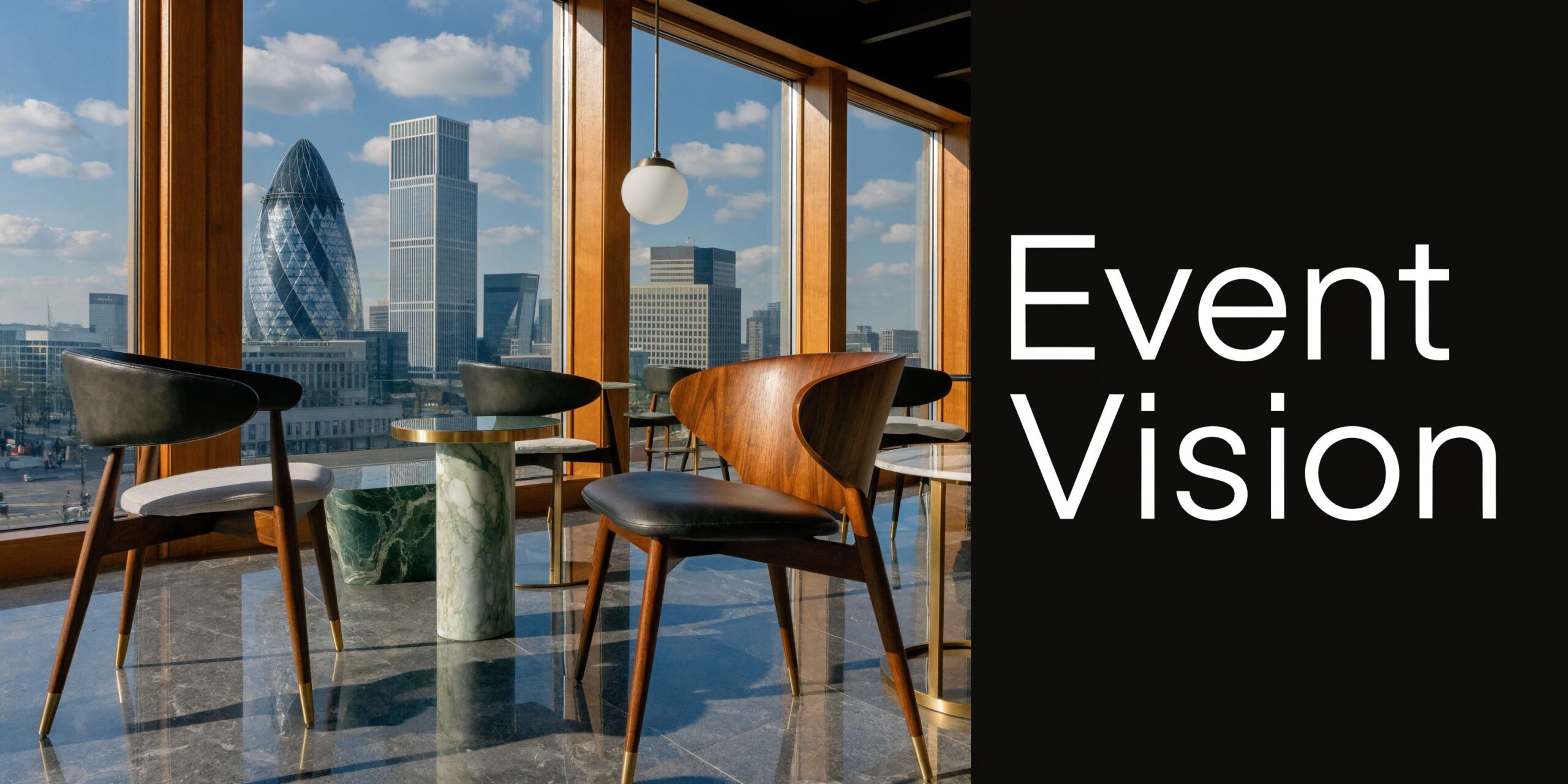
A London wedding usually needs furniture that photographs well and still works hard over a long day. Ceremony seating, dining chairs, cake table, gift table, and evening soft seating often all need separate thought.
Chiavari chairs remain a common choice because they suit both classic venues and lined marquees. They hold a formal look without becoming visually heavy. Round dining tables often suit weddings where conversation at table matters as much as service.
For larger family events, a mixed layout often works better than one uniform format. Dining tables for the meal, plus a lounge corner for older relatives or guests who want quieter conversation, tends to make the space feel more welcoming.
Corporate functions and launches
Corporate events in London usually work best when furniture supports quick movement. Guests arrive, collect drinks, circulate, and only settle into seats at specific moments.
That often means:
- Poseur tables for standing conversation
- Bar stools where guests want a short rest without committing to full dining seating
- Lounge sets near presentation-free zones
- Practical dining furniture only where the agenda needs it
For product launches or receptions on uneven surfaces, I pay attention to table stability early. Spilled drinks from a slight wobble are a small problem that creates a very visible mess. On terraces and mixed flooring, self-stabilizing tables are a useful reference point for understanding how much difference stable table design can make in live event settings.
Mehndi events and family gatherings
These events usually need flexibility more than uniformity. Seating has to serve elders, children, photographers, caterers, and guests moving in and out of the main activity area.
A rigid banquet layout can feel wrong. Better results often come from combining dining tables, clusters of chairs, lounge seating, and clear open space for performance or family moments. If the event runs from afternoon into evening, furniture also needs to suit that transition. What feels spacious at midday can feel crowded once food service, gifts, décor elements, and additional guests are all in play.
Garden parties and local celebrations
In Croydon, Sutton, Beckenham, and similar residential areas, the right furniture is often the furniture that fits access and terrain first. Heavy or overly bulky pieces can slow everything down if they have to travel through side gates, patios, or stepped gardens.
A practical setup for a garden party often includes:
- Folding chairs for adaptable seating
- Trestle or dining tables for food service
- A small lounge cluster for visual interest
- Bar furniture if the event is more social than seated
The mistake here is overfurnishing. Gardens need circulation space. Guests will stand, drift, and gather in ways a floor plan cannot fully predict.
Calculating Quantities and Planning Your Layout
Most hiring mistakes are not about style. They are about quantity and spacing.
Order too little and guests feel it immediately. Order too much and the event becomes harder to move through, harder to serve, and more expensive than it needed to be.
Build the layout around use, not just guest count
Start with the total number of guests, then separate them by how they will use the space. Not every attendee needs a full dining seat at the same moment in every event format.
A practical planning checklist looks like this:
Confirm attendance figures
Use the expected guest count, not the invitation count.Decide the event format
Seated dining, mixed seating, theatre style, standing reception, or a combination.Mark fixed points first
Entrances, catering space, dance floor, stage area, bar, and emergency routes.Add furniture zones
Dining, waiting, networking, family seating, or quiet corners.Hold back a small buffer
Spare chairs and one or two flexible tables often solve late changes better than a redesign on the day.
What works in real London venues
A room can look large when empty and become tight very quickly once chairs are pulled back and staff need to move. In marquees, clients often focus on how many guests can technically fit. The better question is how many can fit comfortably while the event still functions.
Rectangular tables can help when space efficiency matters. Round tables often create a softer, more social dining feel. Neither is always right. The venue shape usually decides more than preference does.
For table and seating combinations, a useful starting point is to review practical set options such as those covered in this guide to tables and chair hire.
Why CAD layouts save trouble
A measured drawing reveals problems early. Doors that clash with chair backs, bars placed too close to dining, or lounge seating that blocks service routes all become obvious on plan.
Premier Marquee Hire offers CAD layout designs on request, which is particularly useful for mixed-use marquee events where dining, dancing, and casual seating need to sit together without fighting for space.
Key takeaway: A good layout creates clear routes for guests, staff, and suppliers. If one group struggles to move, the plan needs adjusting.
Choosing Your Style From Classic to Contemporary
Style matters, but it should never be separated from practicality. The best-looking room is usually the one where the furniture style, the guest use, and the venue type all agree with one another.
Classic styles and where they work best
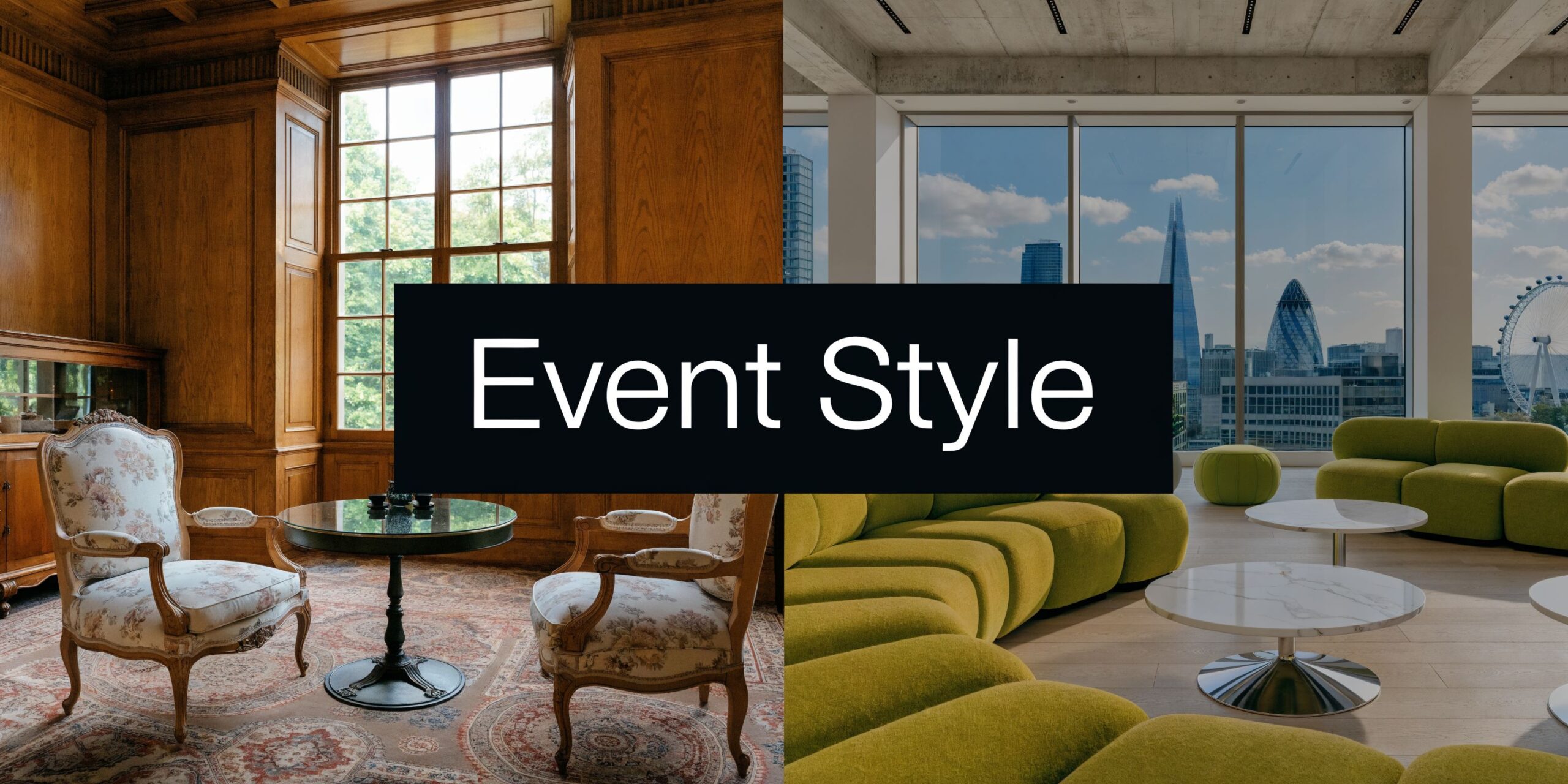
Classic furniture tends to suit weddings, black-tie dinners, religious celebrations, and formal receptions. Chiavari chairs are a reliable example because they bring detail without overwhelming the room. Banqueting tables, dressed correctly, work well in marquees and traditional venues alike.
Wooden benches can suit rustic or festival-style events, but only when the event format supports them. They are visually strong, though not always the most comfortable choice for a long seated meal.
Folding chairs have less visual impact, but they solve many practical problems. They are useful for community events, school functions, ceremonies, and any setup where speed and adaptability matter more than statement styling.
Contemporary options and where they earn their place
Modern lounge furniture, bar stools, poseur tables, and LED pieces can transform a plain room quickly. They are especially effective in corporate settings where you need zones rather than one single seating format.
Use them with restraint. A lounge area works because it contrasts with circulation space. Fill every corner with furniture and the room loses shape.
The right ceiling treatment often changes how furniture reads in the room. In lined marquees and formal interiors, soft overhead styling can make a simple furniture scheme feel far more complete, which is why clients often pair seating choices with ideas such as drapes for ceilings.
Event Furniture Style Comparison
| Style | Best For | Typical Cost | Key Feature |
|---|---|---|---|
| Folding chairs | Community events, ceremonies, schools | Lower end of London hire pricing | Fast setup and flexible use |
| Chiavari chairs | Weddings, formal dinners, receptions | Mid-range to premium | Elegant profile for dressed events |
| Wooden benches | Rustic parties, festival-style seating | Varies by finish and quantity | Informal communal seating |
| Lounge furniture | Corporate receptions, VIP zones, evening events | Premium | Creates relaxed conversation areas |
| Poseur tables and stools | Networking, launches, drink receptions | Mid-range | Encourages circulation and short-stay use |
The wider London market reflects broad pricing flexibility. Event furniture hire can range from £3 to £250 per item in major urban centres, depending on type, quality, and exclusivity, and the UK event hire market is projected to grow at approximately 8% CAGR from 2023 to 2030 according to this market overview.
There is also a sustainability argument for hiring rather than buying throwaway furniture for one-off use. The rental model can cut waste by up to 80% compared with purchasing disposables, extending furniture life by 5 to 10 times, as outlined in this eco-focused event furniture hire article.
A short visual overview can help when clients are deciding between more traditional and more contemporary looks.
Budgeting and Understanding London Hire Costs
Furniture pricing in London is never just about the item itself. The chair or table is only one part of the quote. Transport, handling, setup time, collection timing, and venue restrictions all affect the final figure.
What drives the quote
The broad market range is already wide, so the first step is understanding why one quote sits near the lower end and another rises quickly.
The main cost drivers are usually:
- Item type and finish: Basic folding furniture costs less than premium banquet or lounge stock.
- Quantity: Larger orders can improve efficiency, but they also increase labour and vehicle space.
- Delivery location: Access conditions in London can add time and complexity.
- Hire duration: Multi-day events may affect scheduling and stock availability.
- Setup and breakdown: Some clients want drop-off only. Others need full placement and collection coordination.
The sensible way to compare quotes is line by line. A lower headline figure is not always cheaper if setup, collection, or access complications are treated as extras.
London-specific cost pressures
In practice, central and inner London jobs can cost more to service because the work takes longer. Loading restrictions, limited parking, stairs, lifts, and tight turnarounds all add labour pressure.
A terraced house in Wimbledon with side access only is a different job from a ground-floor hall in Croydon with direct unloading. Likewise, a venue in Bromley with a broad service entrance is easier to service than a city venue with a narrow timed loading bay and no flexibility.
Tip: Ask whether the quote includes delivery, setup, collection, and any likely access-related labour. It is the fastest way to avoid surprises.
Budget where guests notice the difference
If the budget is tight, spend on the pieces people use the longest or see first. Dining chairs, main tables, and entrance furniture usually matter more than decorative extras.
Areas where clients can often simplify without harming the event include:
- reducing duplicate lounge zones
- limiting niche furniture styles that cannot be reused elsewhere in the layout
- choosing one strong furniture family instead of several competing looks
If you are budgeting the whole structure as well as the furniture, this overview of prices for marquee hire helps place furniture costs in the wider event build.
The Logistics of Delivery, Setup, and Collection
The delivery plan is where a furniture hire company proves whether it understands London properly. Good stock matters, but access management matters just as much.
Access problems are common, not exceptional
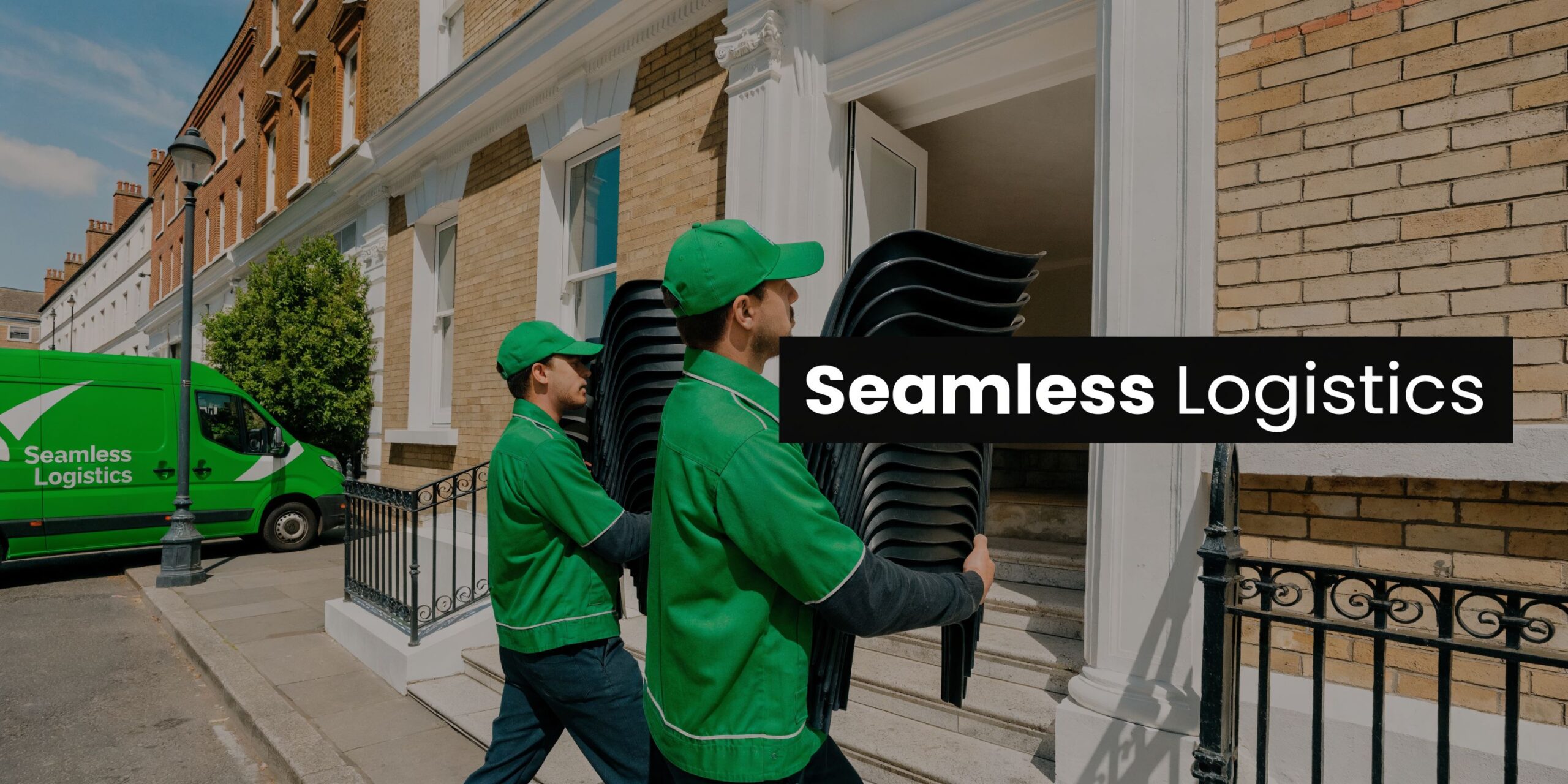
A surprising number of domestic and venue jobs involve at least one awkward element. Narrow pathways. Stepped gardens. Height restrictions. Lift-only access. Fixed venue turnaround times. Shared loading bays. None of this is unusual.
In South London, terraced properties often mean everything has to go through a side gate or down a long passage. In venue work, city-centre sites may offer a short delivery slot with little room for delay. If those details are ignored at booking stage, setup becomes rushed.
What a professional logistics plan includes
A proper delivery plan should confirm:
- Arrival window: Not a vague estimate, but a workable slot tied to venue access.
- Vehicle access: Road restrictions, unloading distance, and parking reality.
- Handling route: Gates, lifts, stairs, ramps, floor protection, and internal distances.
- Setup responsibility: Whether the team places furniture to plan or leaves it stacked.
- Collection timing: Especially important where venues want fast turnaround after the event.
Clients often focus on the event date. The team doing the job focuses on the route from vehicle to final position. That is usually where delays start or are avoided.
Local knowledge cuts risk
A Croydon-based team serving London regularly has an advantage because the geography is familiar. Wimbledon, Dulwich, Streatham, Beckenham, Bromley, Sutton, and central venues all bring different practical issues. Knowing which jobs need early access checks and which ones can move quickly saves a great deal of pressure on the day.
Key takeaway: Furniture logistics is not a bolt-on service. It is part of the event plan.
Finalising Your Hire Contracts, Site Visits, and Contingencies
The final booking stage is where paperwork, logistics, and event reality meet. This is the point to slow down and check details properly.
What to confirm in the hire agreement
Look for clarity on the essentials:
- payment schedule
- delivery and collection timing
- what counts as loss or damage
- cancellation terms
- who is responsible for setup and breakdown
If anything is described loosely, ask for it to be written more clearly. A clean agreement protects both sides.
Why site visits matter
A site visit often solves issues that no email thread will catch. Garden width, gate clearance, ground levels, internal carrying distance, and service access all become obvious once someone sees the space.
This matters even more for all-season events. A notable gap in the London market is practical guidance on winter-specific or weather-resistant furniture, even though there is clear demand for setups that can handle off-season conditions for events such as winter weddings and corporate functions, as noted by Yahire.
A winter job needs more than a summer plan repeated in colder weather. Furniture finishes, placement, and contingency positioning all need thought.
Keep one backup plan ready
The strongest event plans always allow for one thing changing late. Usually that is weather, access, or timing.
The simplest contingency questions are often the most useful:
- If rain pushes people inward, where do they sit?
- If delivery access tightens, what gets installed first?
- If guest numbers shift slightly, what furniture can flex without affecting the whole design?
That is how bookings move from provisional ideas to workable event plans.
Start Planning Your Perfectly Furnished Event Today
A well-furnished event feels natural to guests because the practical decisions were made early and made well. The seating fits the occasion. The layout supports movement. The delivery happens on time. The furniture looks right in the room and works properly once people arrive.
That is what clients usually need from event furniture hire london. Not just stock, but a plan that suits the venue, the access, the weather, and the kind of event they are hosting.
If you are planning a wedding, corporate function, garden party, Mehndi event, or community gathering in London or the surrounding boroughs, it helps to speak to a team that understands both the visual side and the on-the-ground logistics.
If you want practical advice, a clear quote, and a site visit for your event, contact Premier Marquee Hire to discuss your date, venue, and furniture requirements.
Sorry, the comment form is closed at this time.