

17 Apr Best Theme for Event Ideas: 10 Unique Concepts for 2026
You have a lawn booked, a guest list growing, and three completely different ideas in the family WhatsApp. One person wants a relaxed garden party. Another wants formal dining. Someone else has seen a dramatic clearspan setup online and assumes it will fit in a Croydon garden with a side passage barely wide enough for a wheelbarrow.
This is often the starting point. Choosing a theme is not only about colours, flowers, or what will look good in photos. It is about picking a style that suits the site, the guest numbers, the time of year, and the way people will use the space once the event begins.
A good marquee theme needs a working plan behind it. That means checking whether a 9m, 12m, or 15m width makes sense for the plot, whether guests need round tables or banquet seating, whether you need hard flooring instead of carpet on grass, and whether the entrance position will cause a bottleneck. In London, Croydon, Sutton, Bromley, and across Surrey, those details often decide whether an event feels easy or awkward.
We help clients make those decisions every week. The conversation usually starts with a broad brief, then quickly moves into the practical points that shape the build. Access. Ground conditions. Power. Toilets. Catering space. Heating for a spring evening, or shade and airflow for a hot July afternoon.
That is also why generic theme lists often fall short. They give ideas, but not the setup. They rarely tell you which themes suit clearspan marquees best, when to use a pagoda entrance, how much bar space to allow, or why a CAD layout can save you from paying for a marquee that is too large for the site and too small for the event once tables, staging, and service areas go in.
The ten themes below are the ones that hold up in real use. Each one can be adapted into a practical marquee plan, with the right width, furniture, layout approach, and budget level for events across South London and the South East. For a little atmosphere-led inspiration alongside the planning side, it can also help to look at creating legendary events through the guest experience, not décor alone.
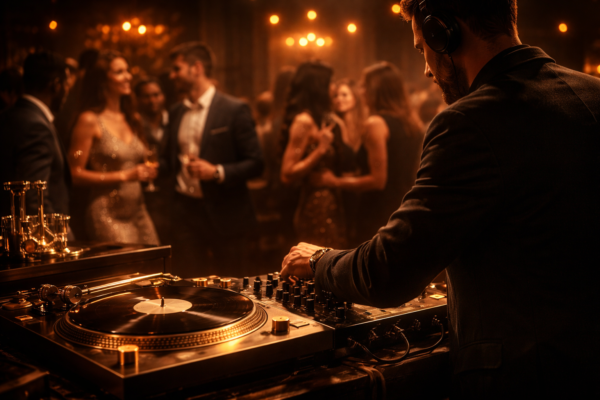
1. Garden Party Elegance
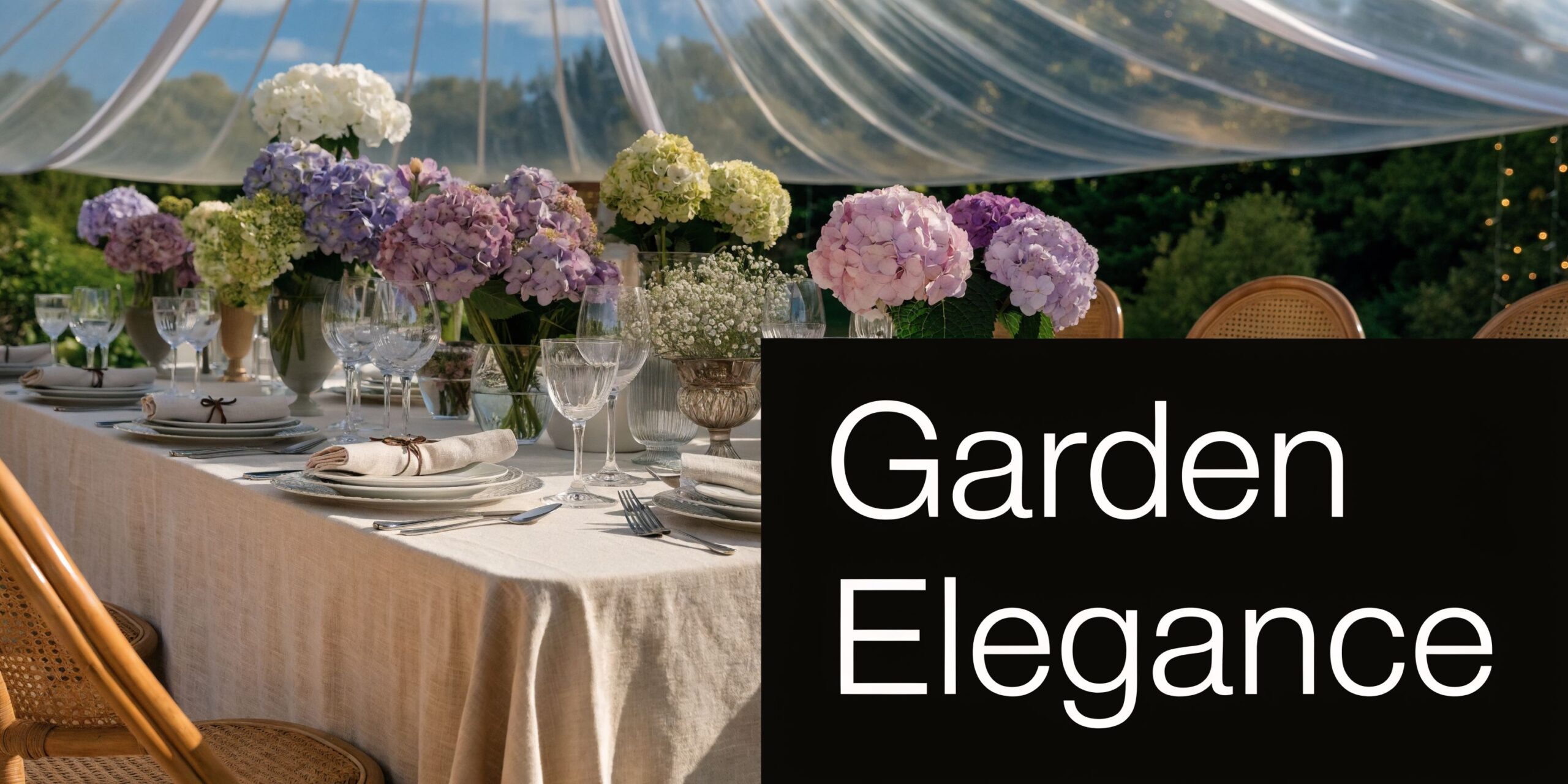
This is one of the safest choices when you want a theme for event styling that feels polished without becoming stiff. It suits milestone birthdays, engagement parties, christenings, summer lunches and relaxed wedding receptions.
The mistake people make is over-dressing the space and hiding the garden itself. If you’ve already got mature trees, borders, hedges, or a tidy lawn, let those do some of the work.
Make the marquee frame the garden
For most residential settings, a 9m or 12m wide marquee works well because it gives you enough room for dining and a drinks area without swallowing the whole outdoor space. In Croydon gardens especially, proportion matters. A marquee should feel settled into the plot, not dropped on top of it.
Clear sections or open sides can help keep sightlines to planting and patios. Evening lighting should extend beyond the marquee, not stop at the valance. Tree uplighting, festoon lighting along a fence line, and a softly lit path back to the house all make the event feel intentional.
A CAD layout is particularly useful for this theme because it shows whether the marquee is blocking your best feature. We often advise clients to site the structure slightly off-centre if that preserves a favourite border, a pond, or a view down the garden.
Practical rule: if the garden is the reason you chose a marquee, guests should still be able to see it once they’re inside.
What works and what doesn’t
What works:
- Minimal florals: Use the existing greenery, then add table flowers selectively rather than covering every surface.
- Defined zones: A dining area, a drinks corner, and a softer lounge spot stop guests bunching around the entrance.
- Season-matched site visits: A spring event booked after a winter viewing can catch people out if they haven’t seen the garden in leaf.
What doesn’t:
- Heavy draping everywhere: It can make a daytime garden party feel dark and inward-looking.
- Pushing too many round tables into a compact footprint: It looks grand on paper and cramped in practice.
- Ignoring ground conditions: A beautiful lawn still needs honest discussion about flooring and access if rain turns up.
Real-world examples are easy to picture here. Think of the sort of elegant outdoor entertaining associated with Chelsea Flower Show receptions, riverside hospitality during Henley season, or refined garden celebrations at historic venues. The same principles scale down very well to a family garden in South Croydon.
2. Corporate Gala and Awards Ceremony
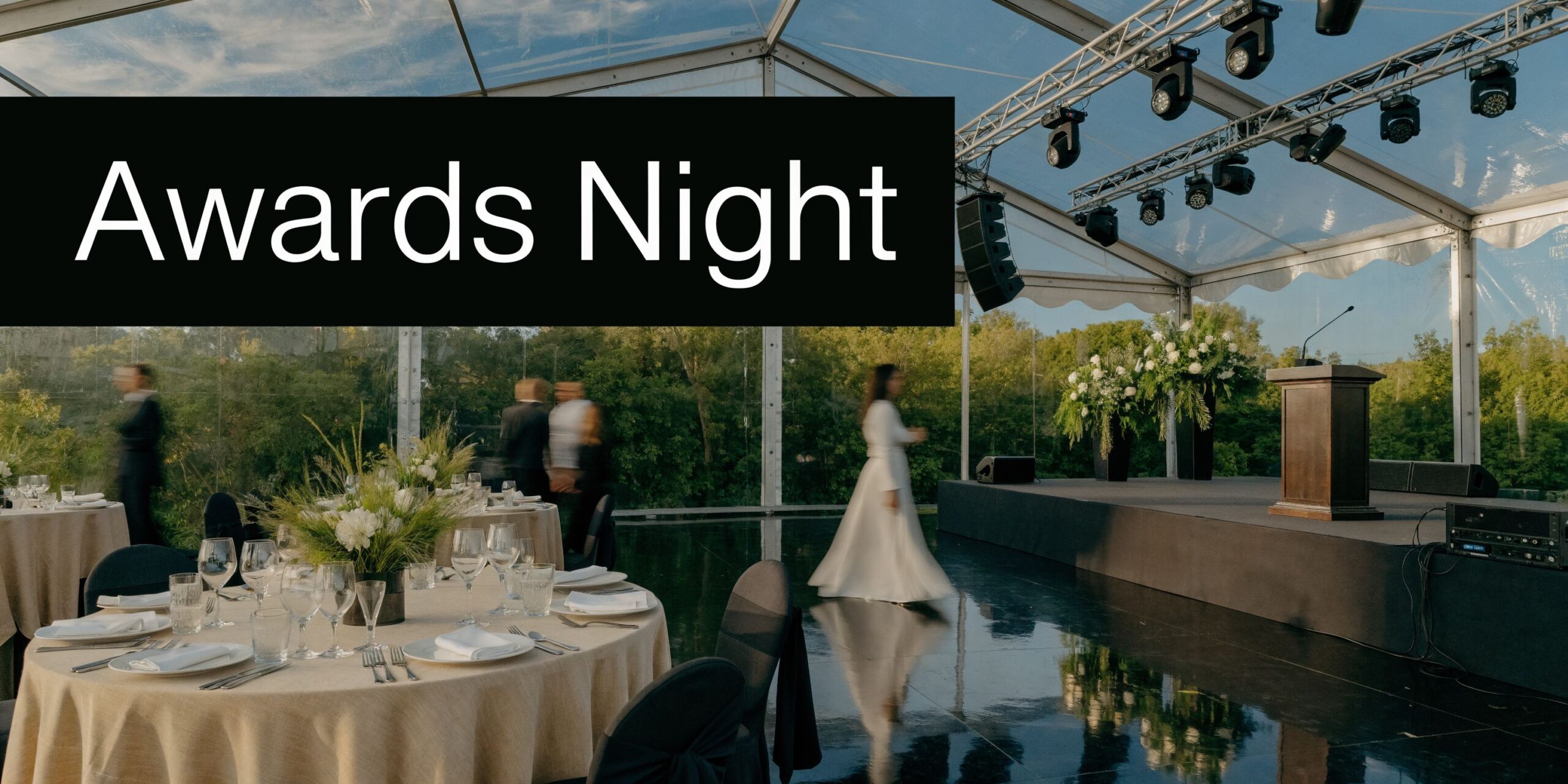
Guests arrive in black tie, the first drinks are served, and within ten minutes everyone knows whether the room has been planned properly. Awards nights are unforgiving. If the stage is too low, the speeches drag because half the room cannot see. If the tables are packed too tightly, service slows and the whole evening starts to feel second-rate.
For most corporate galas, I start with a 12m or 15m wide clearspan marquee, then work backwards from guest numbers, stage size, and catering style. That width gives enough room for round tables, a proper presentation area, and circulation space that still works once waiting staff, AV crew, and photographers are in the room. In Croydon and across London, that practical spacing matters more than decorative extras.
Plan the room from the stage outwards
The stage dictates the whole layout. A small awards dinner might manage with a 4m x 3m stage and a single screen. A larger company event usually needs a deeper platform, twin screens, lectern position, and a camera lane for content capture. Put that into a CAD plan early, then check sightlines from every table, especially the outer corners and the tables nearest the entrance.
I also recommend leaving a clean central or angled approach to the stage, depending on how winners will be called up. It looks minor on paper. On the night, it affects photos, timing, and how polished the presentation feels.
Round tables of 5ft or 5ft 6in usually suit this theme better than trying to squeeze in too many larger tables. Banqueting chairs such as Chiavari work well, but comfort still matters if speeches and dinner run long. Use proper linen, disciplined table spacing, and a reception area that feels intentional rather than improvised.
Technical decisions guests notice immediately
The strongest gala marquees usually include:
- A dedicated catering or prep tent: It keeps hotboxes, clearing stations, and staff traffic out of the main room.
- A defined AV run: Cable routes, speaker positions, and control desk placement should be fixed before flooring, drape, and furniture go in.
- Heating calculated for eveningwear: Formal events often need a steadier temperature than daytime parties because guests are seated for longer.
- A clear entrance sequence: Registration desk, cloakroom if needed, welcome drinks, and branded signage should flow without bottlenecks.
Lighting needs more thought than many clients expect. A room can look excellent during setup and still fail during the awards if the stage wash is weak or the table lighting is too dim for service. For autumn and winter events, a same-time site visit is worth doing so you can judge darkness levels, nearby spill light, and access after sunset.
Budget is usually where the trade-offs become clear. If funds are tight, spend on flooring, lighting, heating, and AV before oversized florals or elaborate drape. Guests remember whether they could hear the host and see the winners. They rarely leave talking about an extra metre of ceiling lining.
For planners handling mixed-format events, some of the zoning principles used in South Asian pre-wedding marquee layouts also apply here, particularly where a reception space needs to feed into a formal dining room without congestion.
A good gala marquee feels controlled from the entrance to the final award. Every guest can see the stage, hear the speeches, and move around the room without friction.
This theme works well for charity dinners, company anniversary events, partner celebrations, and year-end awards. Done properly, marquee hire gives you a temporary venue that behaves like a permanent one.
3. South Asian Mehndi and Pre-Wedding Celebrations
South Asian pre-wedding events need flexibility more than almost any other theme. The atmosphere is vibrant, but the logistics have to stay calm underneath it all.
Many Mehndi celebrations include several active zones at once. Henna artists need settled seating and good light. Family groups want comfortable conversation areas. Performers or DJs need a focal space. Catering often has a very different rhythm from a formal plated dinner. Trying to force all of that into one undivided box rarely works.
Divide the space with purpose
A series of 9m sections or a layout that combines main and adjoining spaces tends to work well. That gives you room to separate the stage area, dining, lounge seating, and service space without losing the shared feel of the event.
In family gardens across Croydon and wider London, access can be one of the biggest constraints. If décor teams need long setup windows, that should be agreed early. Mehndi styling often involves layered textiles, floral installations, signage, low seating, and specialist backdrops, so the build programme needs breathing room.
A marquee is especially valuable here because comfort matters. This is a high-touch event. Guests may be seated for henna, children may move between areas, and older relatives need a stable, weather-protected environment. If you’re planning one of these celebrations, our guide to Mehndi marquee hire goes into the setup side in more detail.
A visual reference helps too:
Best layout choices for this theme
The most reliable setups often include:
- A dedicated henna zone: Good lighting, comfortable seating, and enough circulation space around the artists.
- A performance focal point: Even a modest raised area helps anchor the energy.
- Mixed furniture: Low lounges, ornate chairs, dining tables, and family seating all have different jobs.
- Protected flooring: Carpet runners and practical dance flooring help with spills, heels, and weather.
It also helps to ask direct questions early. Is the event dry? Are there prayer needs? Will speeches or performances happen before dining or alongside it? Those details affect bar placement, partitioning, and timing.
What doesn’t work is copying a generic wedding layout and swapping in brighter colours. Mehndi events need their own flow. When the structure respects the tradition, the styling has room to shine.
4. Outdoor Festival and Community Gathering
By 11am, the gates are open, the coffee queue is already building, and a parent with a buggy is trying to find the children’s craft area without cutting through the stage crowd. This tests a festival-style marquee setup. The site has to read clearly from the first five minutes.
For this kind of event, one oversized marquee rarely gives the best result. A better plan is to build a small site with clear jobs for each structure. In Croydon, I’d usually start with a 12m or 15m clearspan marquee as the main anchor, then add smaller units for food service, welfare, workshops, or trader cover. Guests understand the layout faster, and organisers get far better control over noise, queues, and power distribution.
Build the site plan around movement
The first drawing should be a circulation plan, not a styling board. Mark the entrance, exits, stage sightlines, catering queues, toilets, first aid point, and vehicle route before choosing bunting, signage, or decor.
A practical layout often includes:
- A main activity marquee: Usually 12m or 15m wide for performances, talks, prize giving, or covered seating.
- Food and drink cover: Smaller linked marquees or service tents, sized around trader numbers and queue depth rather than guest count alone.
- Family and quiet space: A separate sheltered area for buggy parking, feeding, or people who want a break from the speakers.
- Workshop or community stalls: 3m, 6m, or 9m modules work well because they can be repeated neatly and costed in stages.
- Back-of-house space: Storage, waste handling, staff tea point, and electrical distribution need their own footprint.
That last point gets missed all the time.
If everything public-facing looks good but stock, bins, and cable runs have nowhere to go, the site will feel messy within an hour. CAD layouts help here because they show where pinch points will appear before the first stake goes into the ground. For school fairs, charity days, and borough community events, I like to leave wider routes than the organiser expects, especially near food traders and toilets. Crowds do not move in straight lines once prams, folding chairs, and children are in the mix.
Furniture should stay flexible. Picnic benches are useful for all-day events because they turn over well and suit mixed age groups. Poseur tables work near bars and sponsor areas, but they should not dominate a family-led event where people need proper seating and bag space. If the ground is uneven or the event runs into the evening, flooring in the busiest marquee matters. Trackway outside and a boarded floor inside the main structure usually save trouble later, even if it adds cost.
Keep the atmosphere informal, but run the infrastructure properly
Festival styling can be relaxed. The setup should not be.
Power load, lighting levels, waste points, and wet-weather fallback need proper decisions early. In London and Croydon, budget pressure often pushes organisers to cut the secondary marquee first, but that is usually the wrong saving. Losing the welfare tent or food cover creates bigger problems than trimming decorative extras. Guests forgive simple styling. They do not forgive standing in rain for lunch or missing the stage because the main queue blocks the view.
A few practical rules make a big difference:
- Keep food queues away from the route to toilets and the main stage.
- Light entrances, paths, and signs before spending on feature lighting.
- Give each marquee a single clear purpose.
- Leave space for buggy movement, wheelchair access, and service access at the same time.
The strongest version of this theme feels easy to use because the technical plan functions smoothly. That is what turns a local fair, cultural day, summer festival, or neighbourhood gathering into an event people stay at, rather than one they walk around once and leave.
5. Wedding Reception and Celebration
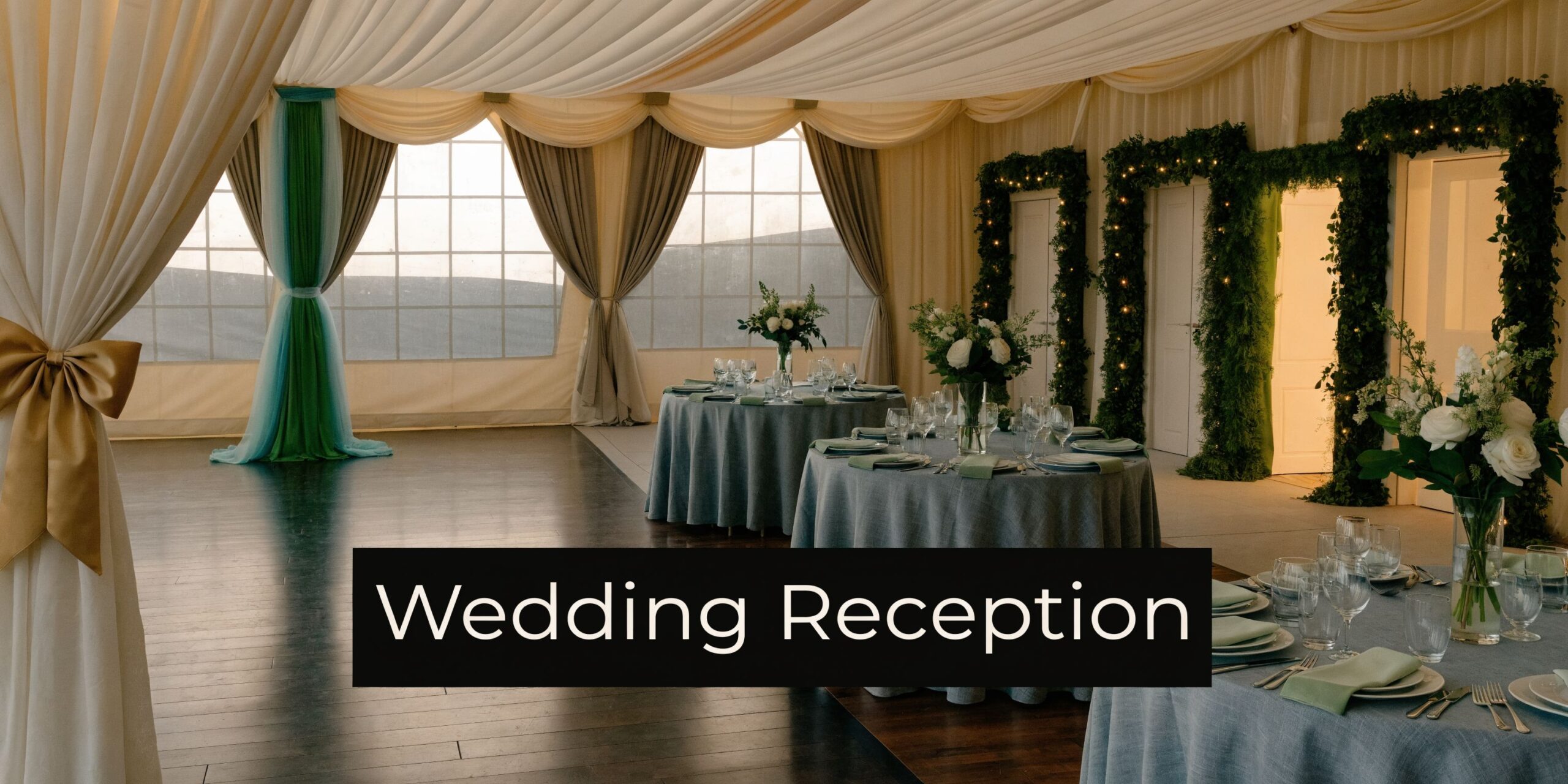
A couple walks the garden with a floorplan in hand, excited about flowers, candles, and the first dance. Ten minutes later, the practical questions start. Where does the caterer load in, how do guests reach the bar without cutting through the top table photos, and will the ground take a full dining layout without feeling cramped?
This is the effort required for a wedding marquee. The theme matters, but the reception only feels polished if the structure, furniture, and service routes are planned properly from the start.
Wedding receptions suit marquees because the format changes across the day. Guests arrive for drinks, move into dinner, gather for speeches, then need clear space for dancing and late-evening socialising. For that reason, 12m and 15m wide marquees are usually the strongest options for London and Croydon weddings. A 12m structure often works well for a straightforward reception with round tables, dance floor, DJ, and bar. A 15m width gives more breathing room if the couple wants a generous aisle between tables, a larger stage or band setup, or lounge furniture for older relatives who will not spend the evening on the dance floor.
Plan the room around movement, not just table numbers
A good CAD layout should show more than how many tables fit. It should map how people use the room at each stage of the day.
The most reliable arrangement usually includes a protected entrance, a drinks reception point that does not block the main doors, a dining area with clear sightlines to speeches, a dance floor that can come alive after dinner, and bar service positioned far enough from the top table to avoid glass noise during key moments. If toilets are outside the main marquee, the route to them needs lighting, matting or trackway, and weather cover if the site is exposed.
In practical terms, I would usually allow for:
- A clear central or side circulation route: Guests in formalwear need easier movement than people at a casual party.
- At least one service corridor: Catering staff, bar staff, and coordinators need a route that does not cut through guest photographs or speeches.
- A defined evening zone: Once dinner ends, the room should shift naturally toward the dance floor and bar without a full furniture reshuffle.
- Space for bags, buggies, and older guests: Weddings bring a wider age mix than many other marquee events, and that changes the furniture plan.
Choose furniture and finishes that suit the service style
Round tables remain the safe choice for formal receptions because they support conversation and give the room symmetry. Banqueting tables can work well for a more relaxed wedding breakfast, but they need stricter spacing and a stronger serving plan. If staff have to squeeze between chair backs, service slows down and the room starts to feel tight.
Chiavari chairs, upholstered conference-style banqueting chairs, quality linen, and a proper dance floor usually give a better return than overspending on decorative extras. Guests notice comfort and layout before they notice the last styling detail. The same goes for flooring. On a level private lawn, boarded flooring with a carpet overlay often gives the best balance of finish and cost. On sloping or softer ground, the subfloor specification needs closer attention, otherwise tables, bars, and dance floor sections will never sit quite right.
Lighting needs layers, not one bright wash across the whole marquee. Dining light should be warm and flattering. The bar and dance floor need stronger focus later in the evening. Entrance lighting matters too, especially at autumn and winter weddings when arrivals, departures, and taxi collection happen in darkness.
Get the technical plan right early
The biggest wedding marquee mistakes usually come from leaving site decisions too late. In Croydon, access can be tight, gardens are often narrower than they first appear, and neighbouring properties may sit much closer than the couple expects. Those details affect generator position, catering tent placement, toilet screening, and permitted delivery times.
Heating, cooling, and power should be priced at the first quotation stage, not added as a late extra. Wedding guests are dressed for the occasion, not for temperature swings. If the reception includes a live band, catering equipment, feature lighting, and a bar with refrigeration, the power load needs calculating properly at the beginning.
Budget-wise, couples usually get better value by protecting the spend on flooring, lighting, and service infrastructure, then trimming decorative layers if needed. A slightly simpler floral scheme rarely harms the day. A cramped dining layout, noisy generator position, or muddy entrance does.
The best wedding marquees feel calm because the technical planning has already dealt with the awkward parts. That is what allows the celebration to feel easy, elegant, and personal.
6. Corporate Team Building and Company Entertaining
Not every business event should feel like a gala. Some are better when they’re looser, friendlier, and built for conversation rather than formal programme.
This theme works well for summer parties, department celebrations, client appreciation days, and anniversary events. It’s often the right choice when a company wants people to mix, rather than sit through a long stage-led format.
Keep the layout flexible
For many corporate entertaining jobs, a 9m or 12m marquee is enough, depending on the guest list and how much of the event is standing versus seated. The best layouts allow the space to change mood across the day.
A practical format often includes a welcome drinks zone, mixed seating, a casual dining or buffet area, and a social corner with something interactive such as a Magic Mirror photo booth. If speeches are planned, create a natural focal point without turning the whole event into rows of chairs facing front.
Corporate clients usually benefit from furniture variation more than private clients do. A blend of poseur tables, lounge seating, dining tables and open floor area gives people permission to use the event in different ways.
What usually works best
A reliable company-entertaining setup includes:
- Fast access to refreshments: Mobile bar units in the right place stop queues dominating one side of the marquee.
- Weather reassurance: Heating or cooling gives organisers confidence to commit to the outdoor format.
- Simple branding: Signage or branded touches at the entrance often go further than trying to brand every surface.
- Day-to-night lighting: Especially important for weekday events that begin in daylight and finish in the evening.
I’d also say this plainly. Team-building themes can become awkward very quickly when the activity programme is over-engineered. A marquee works best here when it provides a comfortable social base. Games, speakers, or breakout activities should add energy, not consume the whole event.
In practical London terms, this format is ideal for office grounds, hired outdoor spaces, and venue terraces where businesses want a polished event without the formality of black tie.
7. Religious Festival and Faith Community Celebration
This is one of the most important categories to plan with care. A faith-based celebration can be joyful and large-scale, but it still needs sensitivity in layout, catering, sound, and timing.
The marquee itself should never dictate the event. The event’s religious or community needs should shape the marquee.
Respect the programme before the styling
Large 12m or 15m marquees are often suitable for Eid gatherings, church festivals, Diwali celebrations, temple functions, and wider interfaith events because they provide broad uninterrupted cover for dining, greeting, or community programming.
What matters most is early conversation with organisers. Are there prayer times to accommodate? Is there a need for quieter space? Will some guests prefer low seating? Is gender separation relevant in part of the event? Are all food and drink offers alcohol-free? Those aren’t side notes. They affect the structure plan from the beginning.
The best layouts often include clear zoning, with one central gathering space and one or more calmer support areas. Cleanliness and catering control also matter more here than many first-time organisers expect. Service space should be planned so food distribution stays efficient and respectful.
Layout choices that avoid common mistakes
Useful design choices include:
- Flexible partitions or adjoining spaces: Helpful if the event requires separate areas at different points.
- Open, uncluttered entrances: Important for welcoming families and older guests.
- Soft, warm lighting: Particularly for evening celebrations where comfort matters more than theatrical effect.
- Generous circulation: Community events often include children, elders, and larger family groups moving together.
A practical example would be a mosque or community group in South London holding an outdoor Eid meal, or a church summer fête needing covered dining and activity shelter if the weather changes. In both cases, a marquee supports the community when the layout is humble, clear, and considerate.
What doesn’t work is importing a generic party template and hoping it fits. Faith celebrations are strongest when the planning reflects the people attending.
8. Elegant Outdoor Cocktail and Networking Event
This is one of the smartest choices if you want a theme for event hosting that feels premium without requiring a full seated dinner. It suits brand launches, charity pre-receptions, professional mixers, wine tastings, and business hospitality.
Standing events use marquee space very efficiently, but they only feel elegant when circulation is easy. If guests keep getting trapped in one end of the structure, the atmosphere falls flat.
Design for movement
A 9m or 12m marquee is often ideal for cocktail-style formats. You can give guests plenty of room to circulate while still creating smaller conversation pockets through furniture placement and lighting.
High-top tables are useful, but don’t overdo them. People need a place to rest a glass. They also need enough open route space to move naturally from the entrance to the bar, to the canapés, to quieter conversation spots.
A mobile bar unit should usually sit off-centre rather than directly opposite the entrance. That keeps the first view open and stops an immediate queue forming in the middle of the room. Passed canapés generally work better than one static food point, unless the event is built around tasting stations.
Lighting does a lot of heavy lifting in this theme. Uplighting, bar lighting, and subtle feature lighting around branded or styled elements help the marquee feel refined rather than temporary. If you’re planning that side in detail, our guide on lighting for marquees is worth reviewing.
The best version of this theme feels effortless
Good cocktail layouts usually include:
- A clear arrival moment: Signage, a host point, and somewhere guests can pause before joining the room.
- Conversation clusters: Created with furniture, planters, or lighting rather than hard dividers.
- One focal visual: A branded wall, drinks feature, or statement installation is enough.
- A fast service plan: Guests notice slow drinks service more in standing events than seated ones.
Keep at least one route through the marquee obvious from anywhere in the room. If guests can’t instantly see how to move, they stop moving.
This theme works particularly well for shorter events in London where venue time is tight and impact matters. It’s polished, efficient, and often far more enjoyable than trying to force a formal dinner where one isn’t needed.
9. Intimate Garden Wedding and Small Celebration
Small events need discipline. A tighter guest list doesn’t mean less planning. It means every element is more visible.
This theme is ideal for vow renewals, registry office follow-on receptions, small wedding breakfasts, engagement dinners, and meaningful family occasions held at home. It’s also one of the best options when clients want style without stretching into an oversized build.
Use the footprint well
A 6m or 9m marquee can work beautifully for intimate celebrations if the layout is honest about what the space can handle. That often means choosing one strong format instead of trying to fit everything in.
If the event is mainly dining, prioritise the table plan and keep the lounge elements simple. If it’s more of a drinks and grazing reception, reduce the number of large dining tables and create better flow. Smaller marquees reward clarity.
For gardens in Croydon, Purley, Sanderstead or nearby residential areas, site access is often the deciding factor. Narrow paths, parked cars, steps, and neighbour boundaries all need proper consideration. A detailed site visit can save a lot of frustration later.
Keep the mood soft and personal
This theme usually works best with:
- Simple quality furniture: Better chairs and linen beat too many decorative extras.
- Warm lighting: Fairy lights, soft wash lighting, and candle-style table details suit smaller rooms.
- Straightforward scheduling: Fewer moving parts often makes the event feel more intimate and more relaxed.
- One or two personal touches: Family photos, meaningful music choices, or a favourite meal can carry the atmosphere better than elaborate theme dressing.
What doesn’t work is trying to imitate a large wedding on a small footprint. Guests will feel the squeeze immediately. The stronger choice is to embrace the scale and make the room feel warm, comfortable, and considered.
This is often the most emotionally successful type of event because people can spend time together. The marquee gives that closeness a polished setting.
10. Agricultural Show and Outdoor Trade Exhibition
Agricultural and trade events are practical by nature. They need cover, power, routes, and resilience before they need styling.
A marquee at this kind of event often acts as an exhibition hall, meeting point, hospitality area, or weather-proof demonstration space. It has to work hard from early setup through to final breakdown.
Start with infrastructure
For showgrounds and trade sites, 15m marquees in longer configurations are often the right tool because they allow clear vendor rows, hospitality seating, or sheltered display areas. Length in 3m increments is particularly helpful here because it allows organisers to scale around exhibitors rather than forcing everyone into a fixed format.
This sort of temporary event infrastructure has a long history in Britain. One of the earliest large-scale examples often linked to modern marquee thinking is the Great Exhibition of 1851 in London, where Joseph Paxton’s Crystal Palace, described in the verified material as a marquee-like structure, hosted 6.1 million visitors over 140 days (Great Exhibition historical reference). The principle hasn’t changed much. Temporary structures succeed when they make large public gatherings usable.
For present-day shows, flooring and access planning are essential. Temporary roadways, durable floor sections, and clean service routes make the difference between an event that holds up well and one that turns chaotic after a bit of bad weather.
If the event has a longer run or a more extended setup and trading period, our page on long-term marquee hire covers some of the structural planning involved.
What exhibition organisers should settle early
The key questions are usually:
- Electrical distribution: What needs dedicated power?
- Vendor spacing: Can guests browse comfortably?
- Traffic management: How do vehicles, deliveries and pedestrians stay separate?
- Support amenities: Where do catering, bars, water and sanitation sit?
Trade-style events often benefit from a less decorative and more sturdy furniture package. Trestles, practical seating, reception counters, and clearly marked circulation routes usually outperform softer social layouts.
This theme suits county shows, equipment exhibitions, food and farming showcases, and village shows with commercial elements. The right marquee setup doesn’t just protect against the weather. It gives exhibitors and visitors a site they can trust.
Top 10 Event Theme Comparison
| Theme | 🔄 Implementation complexity | ⚡ Resource requirements | 📊 Expected outcomes | 💡 Ideal use cases | ⭐ Key advantage |
|---|---|---|---|---|---|
| Garden Party Elegance | 🔄 Moderate, garden prep, seasonal timing | ⚡ Moderate, 9–12m marquees, lighting, linens, florals | 📊 High visual appeal, comfortable guest experience | 💡 Residential soirées, intimate receptions, seasonal events | ⭐ Leverages natural backdrops to reduce décor cost |
| Corporate Gala & Awards Ceremony | 🔄 High, precise timing, staging & AV coordination | ⚡ High, 12–15m marquees, premium AV, catering, staffing | 📊 High-impact branding, premium revenue, large attendance | 💡 Awards nights, formal corporate galas, fundraising black-tie | ⭐ Commands premium pricing and repeat bookings |
| South Asian Mehndi & Pre-Wedding Celebrations | 🔄 High, cultural specifics, multi-day logistics | ⚡ High, 12–15m marquees, elaborate draping, live performers | 📊 Vibrant engagement, multi-event packages, strong referrals | 💡 Mehndi, sangeet, pre-wedding functions, large family events | ⭐ High spend and strong community repeat business |
| Outdoor Festival & Community Gathering | 🔄 Very high, vendor coordination, permits, safety | ⚡ Very high, multiple 12–15m+ marquees, utilities, sanitation | 📊 Large attendance, community visibility, ancillary revenue | 💡 Public festivals, village fairs, community celebrations | ⭐ High ancillary revenue and public profile |
| Wedding Reception & Celebration | 🔄 High, meticulous coordination with many suppliers | ⚡ High, 12–15m marquees, full catering, décor, lighting | 📊 Highest perceived value, premium pricing, strong referrals | 💡 Weddings (intimate to grand), reception dinners, parties | ⭐ Most profitable market with steady demand |
| Corporate Team Building & Company Entertaining | 🔄 Moderate, activity coordination, flexible timing | ⚡ Moderate, 9–12m marquees, activity equipment, bars | 📊 Improved engagement, reliable repeat bookings | 💡 Team days, corporate summer parties, staff celebrations | ⭐ Reliable budgets and faster decision cycles |
| Religious Festival & Faith Community Celebration | 🔄 High, cultural/dietary needs, prayer space planning | ⚡ High, 12–15m marquees, large-capacity seating, appropriate catering | 📊 Strong community turnout, annual recurrence | 💡 Eid, Diwali, church fêtes, interfaith events | ⭐ Low cancellation risk and strong local networks |
| Sophisticated Outdoor Cocktail & Networking Event | 🔄 Moderate, tight timelines, high service standards | ⚡ Moderate, 9–12m marquees, premium bar units, staffing | 📊 High revenue per guest/hour, efficient footprint use | 💡 Networking mixers, launches, short receptions | ⭐ High per-guest spend with compact space needs |
| Intimate Garden Wedding & Small Celebration | 🔄 Low–Moderate, residential constraints, neighbor issues | ⚡ Low, 6–9m marquees, essential furniture, subtle lighting | 📊 High guest satisfaction, lower per-event revenue | 💡 Elopements, small family weddings, vow renewals | ⭐ Accessible entry-level market with strong referrals |
| Agricultural Show & Outdoor Trade Exhibition | 🔄 Very high, infrastructure, traffic and vendor logistics | ⚡ Very high, 15m+ marquees, flooring, generators, utilities | 📊 Large exhibitor footprint, repeat annual bookings | 💡 County shows, trade exhibitions, demo events | ⭐ Large-scale recurring contracts and sector reliability |
From Theme to Reality Your Next Steps
A client in Croydon picks a theme on Pinterest, sends over a few saved images, and expects the rest to fall into place. The theme usually is not the hard part. Getting that idea to work on an actual site, within a real budget, with British weather and practical access constraints, is where the event either comes together or starts to wobble.
Across these ten themes, the same rule applies. The best results come from matching the event's look to how people will use the marquee. A garden party needs enough width for dining and circulation without swallowing the lawn. A gala needs a clear relationship between stage, screen, tables and service routes. A Mehndi needs space for colour, music, family groups and movement at the same time. A small wedding still needs proper thought on heating, flooring, lighting and access if it is going to feel calm rather than cramped.
Outdoor events are a well-established part of the UK events market, particularly across London and the South East, so guests arrive with high expectations. They notice bottlenecks at the entrance, cold flooring underfoot, awkward table spacing, and bars placed in the wrong spot. They also notice when a marquee feels easy to use, comfortable after dark, and properly planned for the weather.
Start with guest behaviour, not decoration. That decision saves time and money.
Ask a few plain questions early on:
- Will guests spend most of the event seated, standing, or moving between zones?
- Is the focal point a dining layout, dance floor, stage, bar, or ceremony area?
- Does the event need daytime flexibility, evening atmosphere, or both?
- How much of the site needs cover for the event to work if the weather turns?
- Are there access limits, noise restrictions, parking issues, or tight setup windows?
Once those answers are clear, the technical brief becomes much easier to shape. Marquee width affects far more than capacity. It affects table layout, sightlines, dance floor size, service access and whether the event feels generous or squeezed. Length matters too, especially on narrow plots in places like Croydon, Sutton and Bromley where gardens often look large until you account for borders, trees and level changes. Flooring, lining, lighting, heating and furniture should be chosen as one plan, not as separate add-ons.
A CAD layout proves its value here. It shows whether a 9m structure will handle round tables and a dance floor, or whether the job needs 12m width. It helps clients compare trade-offs before booking. Spend more on width and gain comfort. Keep the structure smaller and accept a simpler furniture plan. Split the marquee into linked sections and gain flexibility, but expect higher build costs and slightly more complicated service flow.
Styling should follow that plan, not fight it. The strongest themed events usually have one clear visual direction, one layout that suits the guest list, and one sensible weather plan. Problems start when a modest site is asked to deliver a formal banquet, a lounge area, a large dance floor, a statement bar and a stage all in one footprint.
The trade-offs change by event type. For weddings, the usual question is whether to prioritise a full seated meal or a more relaxed mixed layout. For corporate events, it is often the choice between an awards format and a networking format, because each needs a different room shape and furniture strategy. For community and faith events, guest flow, catering zones, shoe storage, prayer areas, and family seating often matter more than decorative detail.
Local knowledge matters as much as stock. In Croydon and the surrounding boroughs, side access can be tight, setup times can be restricted, parking can be limited, and neighbours can become part of the planning equation for private events. A design that works on an open Surrey field may not work in a suburban garden or a school site with fixed entry points.
That is why the next step should be a proper conversation, followed by a site visit where needed. Photos help, but measured plans are better. If you want a useful planning prompt while you sort through ideas, this event coordinator checklist template is a practical reminder of how many decisions sit behind a well-run event.
Premier Marquee Hire offers free, no-obligation site visits and practical advice based on real setups across Croydon and nearby areas. We can test whether your chosen theme suits the space, show how different marquee widths would sit on site, and produce a CAD layout so you can review the plan before committing.
The right theme sets the tone. The right marquee plan makes the event work.
If you're planning a wedding, party, corporate function or community event and want honest advice on what will work in your space, contact Premier Marquee Hire. We’ll talk through your theme, arrange a free site visit where appropriate, and help you build a marquee setup that suits your guest numbers, style and budget.
Sorry, the comment form is closed at this time.