


04 May Flooring for a Marquee: Your 2026 Expert Guide
You’ve found the garden. The date is in the diary. The guest list is growing. Then someone walks across the lawn after a bit of rain and the practical questions arrive all at once. Will heels sink into the grass? Will the tables sit level? What happens if the ground falls away slightly toward the fence? In Croydon, Bromley, Purley, Sutton, Surrey and further into Kent, that’s a very normal starting point.
A marquee only feels like a proper venue once the ground underneath it behaves like one. Good flooring for a marquee turns a patch of lawn, field edge, or mixed garden surface into something stable, dry, and usable. It’s the difference between “outdoors with furniture in it” and a space where people can eat, stand, dance, work, and move around without thinking about the ground.
That matters more now because demand for reliable surfaces keeps rising. The wider flooring market, which includes temporary event solutions, is projected to be part of a global market reaching USD 634.8 billion by 2033, reflecting stronger demand for high-quality surfaces for weddings and corporate functions, according to Grand View Research’s flooring market analysis.
If you’re comparing options for a marquee to hire, flooring deserves attention early, not at the end. It affects comfort, safety, layout, accessibility, and how polished the whole event feels from the moment guests arrive.
The Foundation of Every Great Marquee Event
Most marquee problems that guests notice first are floor problems.
A garden can look flat from the kitchen window and still have enough variation to make chairs rock, bars lean, and entrances feel awkward. London gardens are often tighter than they first appear, with flowerbeds, side returns, patio thresholds, service runs, and small level changes all competing for space. Surrey lawns can look generous but bring their own issues, especially where the land gently drops away or the soil softens after rain.
What guests notice immediately
Guests won’t usually comment on the subfloor by name. They will notice the symptoms if it’s wrong:
- Unsteady footing under dining tables and at the entrance
- Dampness and chill coming through from the ground
- Wobbling furniture that makes drinks, centrepieces, and place settings feel precarious
- Mud transfer from shoes at the threshold and around busy circulation points
That’s why flooring for a marquee isn’t just a finishing detail. It sets the tone for the whole event.
A marquee can be beautifully lined and lit, but if the floor feels soft, sloped, or damp, the whole space feels temporary in the wrong way.
The local reality in Croydon and nearby areas
Around Croydon and the surrounding boroughs, the same few conditions come up repeatedly. Rear garden access is narrow. Lawns look flatter than they are. Patios meet grass at awkward heights. Trees and established landscaping limit where support systems can go. Some sites take water well. Others hold it.
Those details don’t mean your event is difficult. They just mean the flooring decision needs to be based on the ground you have, not the brochure photo in your head.
Why Professional Marquee Flooring is Non-Negotiable
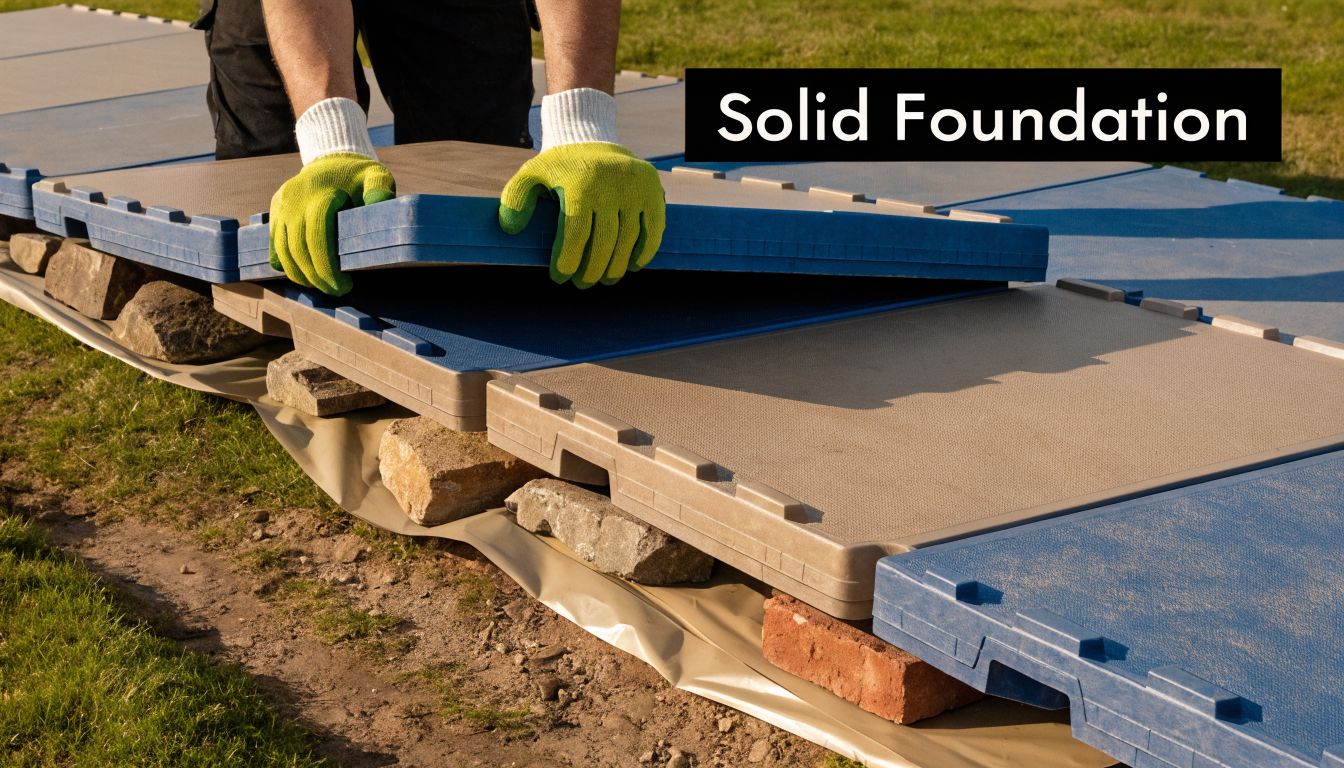
The biggest mistake people make is treating flooring as an optional extra for appearance. In practice, it solves four separate problems at once. Safety, comfort, ground protection, and presentation.
Safety comes first
Even a mild undulation in the lawn becomes more noticeable once you add chairs, tables, catering traffic, older relatives, children, and guests in formal shoes. Grass alone can be manageable for a short daytime gathering in perfect weather. It’s far less forgiving once the event runs into the evening or the ground starts to soften.
Professional flooring creates a defined, secure walking surface. That matters at entrances, around dance areas, near bars, and anywhere people queue or congregate.
Comfort changes how long people stay
A marquee event works best when guests stop thinking about practical annoyances. Nobody wants to feel moisture underfoot, drag mud onto their hem, or watch a heel disappear into the lawn while carrying a drink.
A proper floor also changes the atmosphere inside the marquee. It feels cleaner, more organised, and more deliberate. Furniture sits as it should. Service runs more smoothly. Guests relax because the space behaves like a venue.
Lawn protection matters too
Clients often focus on protecting guests, but the garden matters as well. Repeated footfall, furniture pressure, and weather can mark grass quickly, especially under entrances and main circulation routes. Flooring spreads that pressure more sensibly and helps reduce the visual damage left behind after the event.
A short clip helps show the principle in action.
The professional difference shows in the details
Think about a wedding cake on a table that isn’t fully stable. Or a corporate registration desk where one side sits lower than the other. Or banqueting chairs that need constant adjustment because the floor beneath them gives slightly. None of those issues sound dramatic in isolation, but together they make the event feel makeshift.
A professional flooring system avoids that drift into compromise.
| What goes wrong without flooring | What proper flooring fixes |
|---|---|
| Guests sink into grass | Creates a firmer walking surface |
| Tables wobble | Gives furniture a steadier base |
| Mud appears at entrances | Keeps the interior cleaner |
| Damp rises through the marquee | Separates guests from the ground |
| Service feels awkward | Improves movement for staff and suppliers |
Practical rule: If you’d be disappointed to see your guests standing on wet or uneven grass in the middle of the event, you need flooring.
A Guide to Marquee Flooring Options
Flooring choices in a marquee usually fall into two categories. Some surfaces protect the grass and give guests a cleaner route through the space. Others create a firmer, more controlled base for dining, dancing, and heavy furniture. In London and Surrey, where gardens often combine soft lawns, clay soil, slight falls, and awkward access, that distinction matters more than many clients expect.
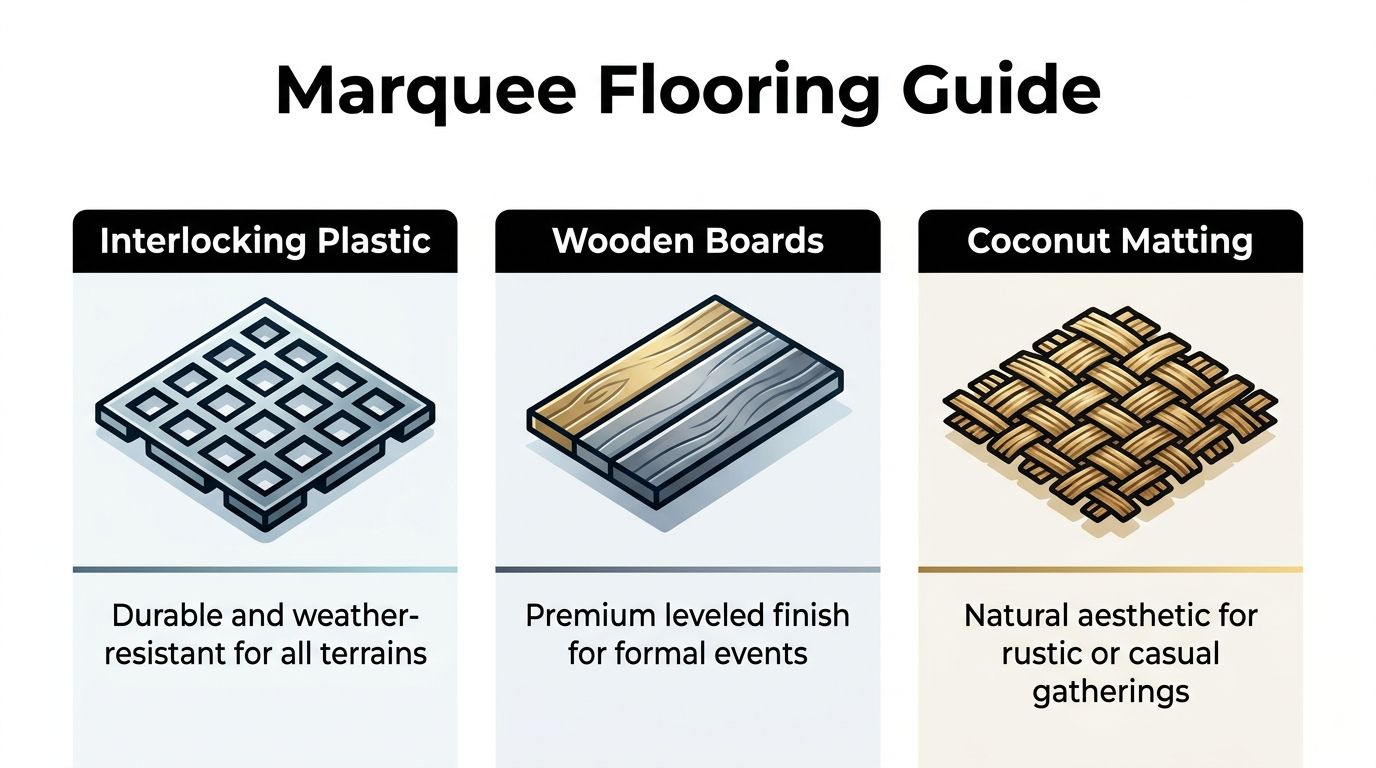
Interlocking plastic tiles
Interlocking plastic is often the practical starting point for casual events and working areas. It goes down quickly, handles damp conditions reasonably well, and gives you a surface that is far better than bare grass for foot traffic.
Best for
- Community events
- Garden parties
- Festival-style layouts
- Catering zones and back-of-house areas
- Walkways between structures
What they do well
These tiles keep shoes, service trolleys, and light furniture off the wettest part of the lawn. On a flat, firm garden, they can be perfectly adequate for an informal gathering.
What to watch
They follow the shape of the ground underneath. If the lawn has dips, ridges, or a soft patch near the house, you still feel it through the floor. For a wedding breakfast or a corporate dinner, that can leave tables and chairs feeling slightly unsettled.
Coir or coconut matting
Coir matting suits clients who want a traditional marquee look rather than a polished venue finish. It has a softer, natural appearance and works well with rustic styling, country garden themes, and daytime celebrations.
Where it works
Coir pairs nicely with timber chairs, long banquet tables, and florals that are meant to feel relaxed rather than formal. It also gives a warmer visual finish than exposed plastic panels.
Its limitations
Coir is a covering, not a structural floor. On London clay, where the surface can dry hard and crack in one month then soften after rain in the next, that matters. You may still feel the unevenness below, and it will not give the same stable footing as boarded systems where guests are seated for hours.
A floor can suit the styling and still be wrong for the site. Ground condition comes first.
Carpet over a wooden subfloor
For formal events, this is the option many clients picture without always knowing the build-up beneath it. The timber subfloor gives the room its firmness. The carpet improves the finish, softens the sound, and makes the marquee feel closer to an indoor venue.
Best for
- Weddings
- Corporate dinners
- Awards events
- Family celebrations with full dining layouts
Why clients choose it
It looks tidy, feels warmer underfoot, and photographs well. Guests notice the difference when they are walking in heels, carrying drinks, or sitting at round tables that need to stay level.
Considerations
This works best on sites that are already fairly cooperative. If the garden has a noticeable fall or the ground changes across the footprint, the floor build may need more than simple boarding to achieve a consistent result.
Cassette or solid wood podium flooring
This is the heavier-duty answer for sites that need proper correction rather than cosmetic improvement. A raised wood or cassette floor creates a stable platform first, then the marquee and interior fit-out sit on top of that with far fewer compromises.
Best for
- Sloping gardens
- Premium weddings
- Corporate events with bars, staging, or dense table plans
- Sites where the lawn condition is unpredictable
Why it works
It handles the ground as it is. That is often the right call in Croydon, South London, and Surrey gardens where a site can look fine from the patio but show its problems once a full marquee footprint is marked out. A raised system gives suppliers a better base for furniture, catering equipment, dance floors, and any area where guests will gather in numbers.
Trade-offs
It takes more planning, more labour, and better access. If materials have to come through a side passage, over steps, or around a tight extension, the flooring choice affects the installation schedule from the start.
Dedicated dance floors
A dance floor has a separate job from the main marquee floor. It needs to cope with concentrated wear, repeated movement, and a different visual focus once the evening starts.
That does not mean it replaces the main floor. It sits best on top of a properly prepared base. If the structure underneath moves or dips, the dance area never feels quite right, no matter how smart the top surface looks.
| Flooring type | Best use | Main strength | Main limitation |
|---|---|---|---|
| Interlocking plastic | Utility and casual events | Fast, practical, weather-tolerant | Follows the ground below |
| Coir matting | Rustic and relaxed styling | Softer, traditional appearance | Limited support and levelling |
| Carpet on wood | Formal dining spaces | Smarter finish and firmer feel | Depends on suitable ground below |
| Cassette flooring | Difficult ground and premium builds | Stable, level platform | More planning and installation time |
| Dedicated dance floor | Dancing and evening focal zones | Built for movement and wear | Needs a sound base underneath |
Choosing the Right Floor for Your Ground and Event
Guests arrive in heels, the caterer starts wheeling kit in, and a garden that looked flat from the kitchen suddenly shows every dip and soft patch. That is usually the moment flooring stops feeling like a finishing touch and starts looking like the decision that sets the whole event up properly.
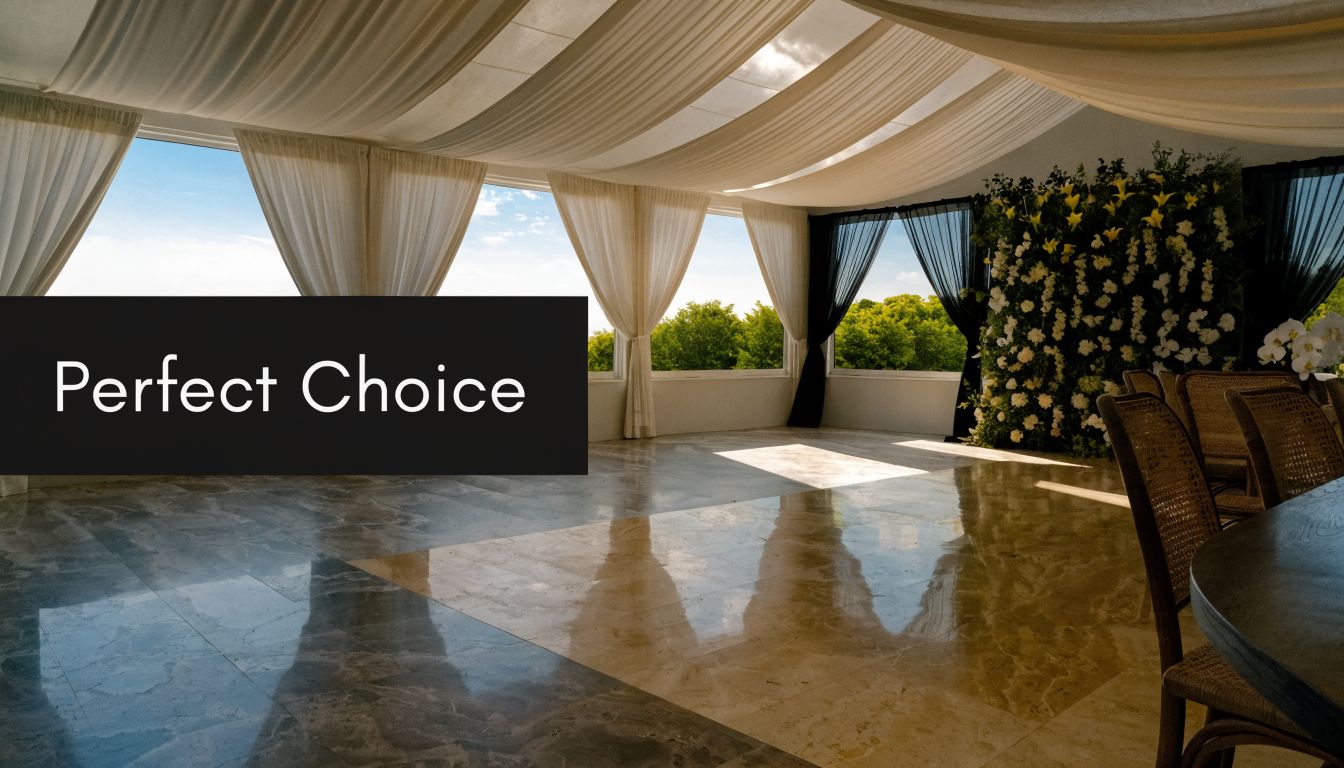
A typical London garden with a gentle fall
This is the site we see week in, week out across Croydon, South London, and into Surrey. The lawn looks straightforward, then the survey shows a gradual fall away from the patio or a slight twist across the width of the marquee.
On that kind of ground, the right answer depends on how the space will be used. For a relaxed afternoon gathering, a simpler floor may be enough if the surface is reasonably firm and the furniture layout is forgiving. For dining, speeches, and evening use, a level boarded or cassette-style base usually earns its keep because guests notice sloping tables, uneven chairs, and bars that feel slightly off balance.
If you are planning an outdoor party tent for a garden celebration, the floor wants deciding early, not after the marquee size is agreed. The slope, not the styling, often decides the build.
A formal corporate event on mixed ground
Corporate events expose bad flooring quickly. Registration desks need to sit square. Display stands need to look straight. Staff carrying trays and equipment need a surface that stays predictable from morning setup through to pack-down.
A boarded floor with carpet suits many of these jobs on decent ground. If the site changes level, has softer patches, or combines lawn with harder edges near a terrace or path, a more engineered system is usually the safer choice. It costs more, and it takes longer to install, but it gives the room the order and stability that business events tend to need.
A relaxed wedding in a field or larger garden
A looser style does not mean the floor can be an afterthought.
Couples often want an open, informal feel, with shared tables, a bar, and guests drifting between the marquee and the garden. That can work well with simpler finishes in lighter-use areas. The mistake is treating the whole structure the same. The bar, dining space, entrance, and any dance area take far more punishment than the corners of a lounge setup, so those zones need a firmer base even if the overall look stays relaxed.
I often advise clients to spend less on decorative finish and more on what sits underneath. Guests remember whether the space felt comfortable to walk and sit in.
Clay soil, access, and the problems you do not spot at first glance
London and Surrey gardens bring their own set of trade-offs. Heavy clay can hold water for days after rain. A lawn may be fine at the morning survey and noticeably softer by build day. Older gardens often have patched levels, old borders beneath the grass, or a change in ground condition from one end of the marquee to the other.
Then there is access. A wide rear lawn is helpful, but many local jobs involve a side passage, steps, a tight turn past an extension, or materials travelling across finished paving before they even reach the grass. In those cases, the best flooring choice is not always the smartest-looking one on paper. It is the one that can be installed properly on the site you have.
That is why flooring should be chosen against three things together. Ground condition, event use, and access route. Get those right, and the whole marquee feels settled from the start.
Essential Technical and Logistical Considerations
A good marquee floor has to work for more than guests. It also has to work for the structure, the furniture, the suppliers, and the programme on build day.
Load, drainage, and weather
The floor beneath a dining marquee may need to carry banqueting furniture, service traffic, staging elements, and concentrated use around bars and entrances. On UK sites, drainage is just as important as visual finish. A floor that looks smart but traps moisture or telegraphs every soft patch underneath won’t feel right for long.
Cassette-style systems are often chosen for difficult sites because they create separation from the ground as well as correction of level. That helps on lawns that are vulnerable after rain and on mixed surfaces where one side of the marquee behaves differently from the other.
Access can decide the flooring choice
In central and suburban London, access is often the factor clients underestimate most. A wide open field gives you options. A terraced house with a side passage, steps, and a sharp turn by the bins gives you a much narrower set of practical choices.
Before anyone settles on a floor type, ask:
- How wide is the access route from road to build area?
- Are there steps, tight turns, or height restrictions on the way in?
- Will flooring components need to cross finished patios or internal routes?
- Is there enough working space around the marquee footprint during installation?
Those answers shape labour, sequencing, and sometimes the floor itself.
Sustainability is becoming part of the conversation
Some clients now want flooring choices that sit better with wider event sustainability goals. One emerging option is bio-based interlocking tile systems made from materials such as mycelium composite. Their carbon footprint can be up to 70% lower than traditional PVC, according to Dynamic Marquees’ overview of marquee flooring options.
That doesn’t mean every eco-labelled product suits every site. The practical question is still whether it performs on damp ground, heavy footfall, and the style of event you’re planning.
Coordination with lighting, sound, and staging
Flooring decisions also affect technical suppliers. Cable routes, speaker positions, stage placement, and trip management all sit more neatly on a well-planned floor than on exposed grass. If your event includes speeches, DJs, screens, or live music, it helps to understand how those systems interact with the build. This guide to understanding audio visual equipment is useful for clients who want a clearer sense of what production teams need from the space.
Premier Marquee Hire offers flooring as part of a broader marquee setup, alongside site visits and layout planning, which is useful when flooring, access, furniture, and equipment positions all need to be considered together.
Ensuring Safety, Accessibility, and Compliance
For private parties, safety can be overlooked because the event feels domestic. For public and community events, it’s even more important to get right because more people use the space in different ways.
Non-slip surfaces and secure edges
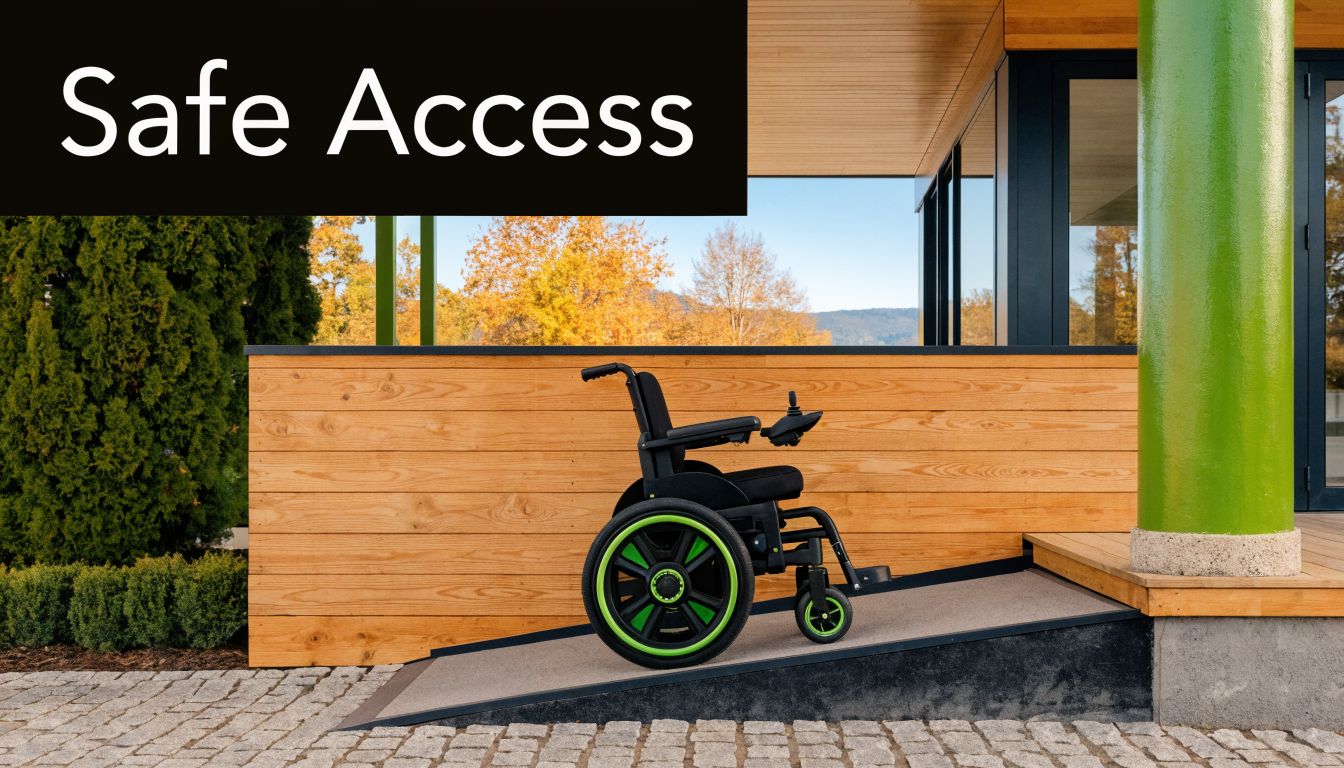
For public events, marquee flooring must comply with regulations such as the Equality Act 2010 and the Fire Safety Order 2005, which often require wheelchair ramps on uneven terrain and non-slip surfaces, as outlined in DG Floors’ guide to marquee flooring compliance.
That has practical consequences on the ground:
- Entrances need stable transitions so guests don’t catch a heel or toe
- Edges and joins must be secured so they don’t lift during the event
- Surface choice matters if people may arrive on wet shoes or move between indoor and outdoor areas
Accessibility has to be planned in, not added later
Wheelchair users, guests with limited mobility, older relatives, and families with pushchairs all experience the floor differently. A marquee that looks fine at standing height can still be awkward to enter or move through if the threshold is abrupt or the circulation routes are too narrow.
That’s why ramps and level access points should be considered alongside the flooring layout, not after the marquee is designed. The same applies to heating layouts in colder months, particularly if guests will spend time seated. If you’re also thinking about winter comfort, this guide on marquee and heater hire is a useful companion read.
Accessibility usually improves the event for everyone, not only for the guests who obviously need step-free access.
Public events need a more disciplined approach
For community gatherings, religious festivals, school functions, and corporate open days, flooring isn’t just a comfort issue. It’s part of the operational plan. Walkways, thresholds, queue points, and emergency movement all need to be considered with the same care as seating and catering.
A tidy floor is nice. A safe, accessible floor is essential.
Booking Your Marquee Flooring A Checklist & FAQs
A flooring quote can look sensible on paper and still be wrong for the garden. I see this most often in London and Surrey rear gardens where the lawn looks flat from the patio, but drops away at the back, stays wet underfoot, or only has a narrow side path for access. Flooring decisions made too late usually cost more, limit layout options, or leave awkward thresholds on the day.
The best bookings start with a proper site conversation before the plan is fixed. That gives you a realistic answer on what can be built, how level the interior will be, and whether the finish you want suits the ground underneath it.
Questions to ask before you book
Take these into any discussion with a marquee supplier:
- Has the recommendation been based on the ground? Ask whether someone has considered slope, clay soil, drainage, tree roots, patios, and any soft spots.
- Will the floor be level? Covering grass and creating a level room are different specifications, with different costs and build methods.
- What does access look like for the install team? In Croydon, Sutton, Bromley, and similar areas, narrow passages, steps, and shared drives often decide what flooring system is practical.
- How will people enter the marquee? Ask about thresholds, ramps, and the transition from garden, patio, or path into the structure.
- How will the floor behave if the weather turns? A good answer should cover wet shoes, surface grip, and whether the base stays stable if rain arrives before the event.
- What is sitting on the floor? Dining tables, a bar, lounge furniture, staging, and a band all load the floor differently.
- What finish is included in the quote? Check whether you are pricing the structural floor only, or the visible carpet, vinyl, or dance floor on top as well.
- Who is coordinating flooring with the rest of the build? Heating, power runs, toilets, catering access, and furniture layout all affect the floor plan.
Quick FAQs
How much does marquee flooring cost in London?
Price usually turns on three things. Ground condition, access, and specification. A flat, firm garden with good side access is one type of job. A sloping lawn with clay soil, tight access, and a requirement for a fully level interior is another. Flooring makes more sense when priced as part of the full marquee build, because the subfloor, finish, access time, and labour are closely linked.
Can flooring go on a patio or hardstanding?
Yes, often very successfully. The catch is the junction between surfaces. A patio that meets grass with a height change can create an awkward step or leave part of the marquee on mixed levels. That is manageable, but it needs planning early rather than treating the patio as an automatic shortcut.
What’s the difference between the main floor and the dance floor?
The main floor carries the room. It supports tables, chairs, bars, foot traffic, and the general feel of the space. The dance floor is a separate surface chosen for movement, wear, and appearance. If guests will be dancing late into the evening, it is sensible to specify both parts properly rather than expecting one layer to do every job.
Do I need the top specification floor for every event?
No. You need a floor that matches the site and the use. For a summer garden party on firm, level ground, a simpler build may be perfectly suitable. For weddings, winter events, public gatherings, or awkward gardens with slope and soft ground, spending more on the base is usually money well spent because it improves comfort, furniture stability, and guest confidence from the moment they walk in.
When should flooring be booked?
Earlier than many clients expect. Once guest numbers, layout, and location are known, the floor should be discussed at the same time as the marquee size, not added at the end. On tighter sites, flooring can affect the whole plan.
If you’re planning an event in Croydon, London, Surrey, Middlesex, or Kent, the most useful next step is a proper site conversation before the layout is fixed.
If you want clear advice on flooring for a marquee, Premier Marquee Hire can help you assess the ground, talk through practical options, and work out what will suit your event without overcomplicating it. A site survey is often the quickest way to turn uncertainty into a workable plan.
Sorry, the comment form is closed at this time.